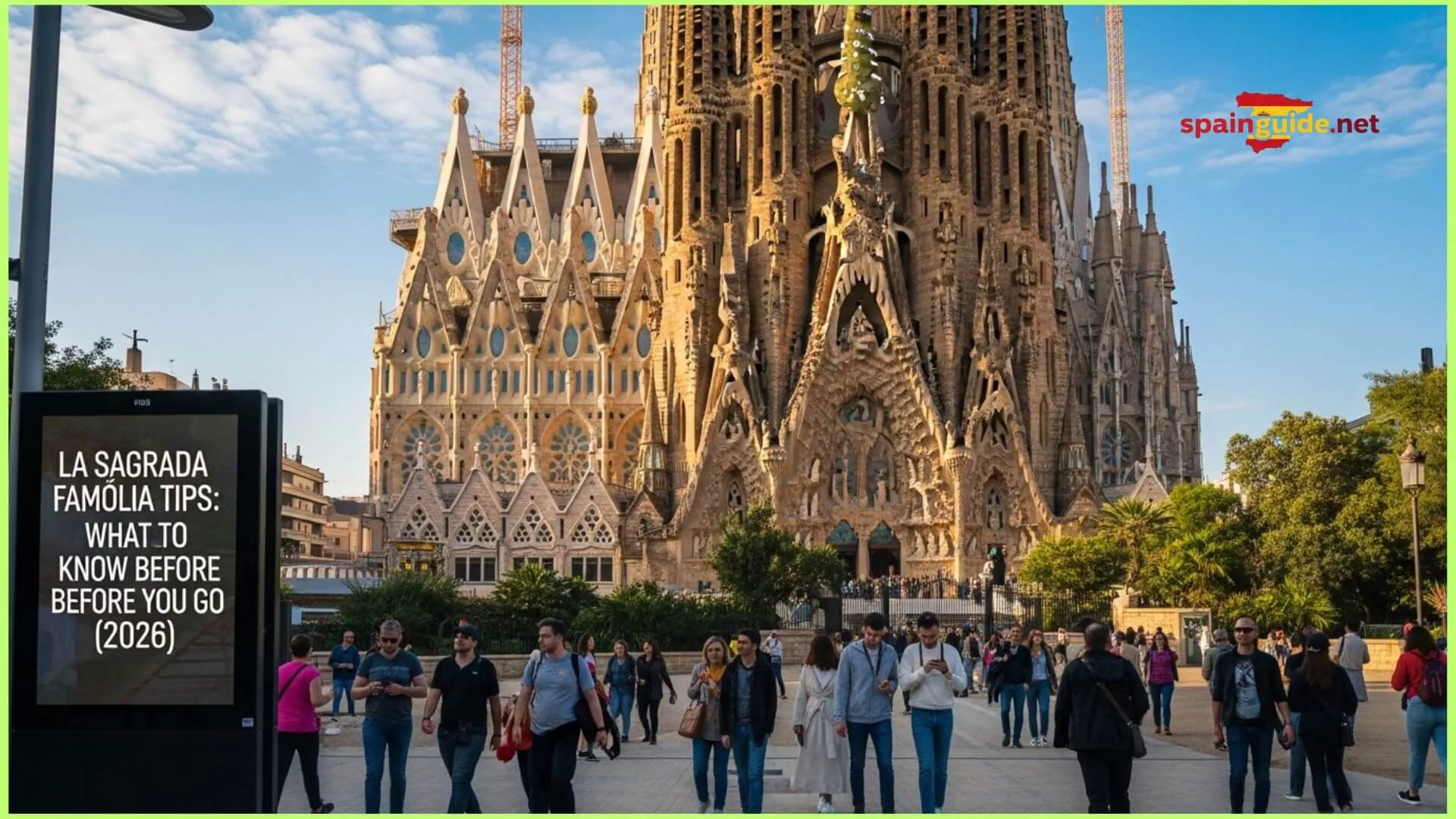
There’s a reason over 5 million people a year visit Sagrada Família—it’s genuinely mind-blowing. Gaudí’s unfinished masterpiece has been under construction since 1882, and in 2026, they’re finally wrapping up the main structure with the completion of the Jesus Christ tower. It’s a UNESCO World Heritage site, a functioning basilica, and honestly, one of those buildings that photos just can’t do justice. Whether you’re an architecture nerd, a photographer chasing that perfect light, or just someone who appreciates seriously cool stuff, this guide will help you avoid rookie mistakes and actually enjoy your visit.
Quick Facts
Location: Eixample district, Barcelona
Architect: Antoni Gaudí
Construction started: 1882
Style: Catalan Modernisme
Status: Still under construction (main structure to be completed in 2026)
Average visit duration: 1.5–2 hours
Nearest metro: Sagrada Família (L2 & L5)
How to Buy Tickets (Most Important Tip)
Book Online — Always
Seriously, don’t even think about showing up without tickets. Sagrada Família sells out days in advance—sometimes weeks during summer—and the lines for on-site tickets are brutal when they’re even available. Ticket scalpers hang around outside charging ridiculous prices, so just avoid the whole mess and book ahead.
The official website (sagradafamilia.org) is your best bet for straightforward booking with no extra fees. Reseller sites sometimes offer package deals or more flexible cancellation policies (like 48-hour free cancellation), but check what you’re actually getting.
Ticket Types Explained
Basic entry gets you into the basilica and the crypt museum—currently around €26 with audio guide included. The audio guide ticket is honestly worth it; the symbolism and details need explanation, or you’ll miss half the cool stuff.
Guided tours cost more but give you deeper insights if you’re into that level of detail. Tower access is separate and limited—you pick eitherthe Nativity or the Passion façade. Fair warning: tower tickets sell out crazy fast because they only let a few people up at a time.
Which Tower Should You Choose?
This is the million-dollar question, and honestly, both are cool for different reasons.
Nativity tower is on the eastern side, shows Jesus’s birth and childhood, and features Gaudí’s original ornate design with plants, animals, and intricate carvings. It’s prettier and more detailed—pure Gaudí magic. Best for architecture lovers who want to see what Gaudí actually built himself.
Passion Tower is on the western side, depicts Jesus’s suffering and death, and has stark, angular, dramatic sculptures that look totally different. It’s got better city views and shows the contrast in architectural styles. The climb is around 426 spiral steps (there’s an elevator up, but you walk down).
Skip the towers if you’ve got young kids, vertigo, mobility issues, or claustrophobia—those spiral staircases are tight and can feel intense.
Best Time to Visit Sagrada Família
Time of Day
Morning visits (first entry slots) mean fewer crowds and a more peaceful vibe. The eastern Nativity façade gets beautiful morning light, and the stained glass windows on that side glow with cool blues and greens.
Midday is honestly the worst—packed with tour groups, harsh lighting that washes out the stained glass colors, and zero zen. Skip it if you can.
Late afternoon is magic, especially about 30 minutes before sunset. The western Passion façade lights up, and the stained glass windows create this insane golden-orange glow that transforms the whole interior. People literally spend hours just watching the light change. If you only visit once, make it late afternoon.
Best Months
Low season (January–March and November–February) feels almost intimate with shorter lines and a quieter atmosphere. The weather’s cooler, but the experience inside is more meditative.
Shoulder season (April–May and October–November) hits the sweet spot—decent weather, manageable crowds, and you still get that amazing light.
Peak season (June–September) means crazy crowds, higher prices, and tickets selling out weeks ahead. The upside? Longer daylight hours mean more time for that perfect lighting.
Best Day of the Week
Avoid weekends when every tourist in Barcelona shows up at once. Tuesday through Thursday are your best bets for smaller crowds and a more enjoyable visit.
How to Skip the Crowds (Local Tips)
Book the first entry slot of the day—you’ll have the place relatively to yourself for at least the first 30-45 minutes. Or go for the evening light strategy and enter 1-2 hours before closing when tour groups have cleared out.
Make sure you enter through the correct façade entrance based on your ticket. If you booked tower access, you’ll get a specific tower entry time (usually 15 minutes after your general admission time)—be punctual, or you’ll miss it.
Pro tip: Visit the towers first while you’re fresh, then explore the basilica interior when you come back down. The light will have changed by then anyway, giving you a different perspective.
Combine your visit with nearby attractions later in the day instead of cramming everything into the same time slot.
What to See Inside (Don’t Miss Highlights)
The Interior Columns Forest
Gaudí designed the columns to look like trees branching toward the ceiling—it’s legitimately like walking through a stone forest. The way they support the structure while creating this organic feeling is architectural genius.
Stained Glass Windows Light Show
This is what everyone talks about, and yeah, it lives up to the hype. Morning brings cool blues and greens from the east-facing windows; afternoon delivers warm golds, oranges, and reds from the west. The colors literally dance across the floors and columns as the sun moves.
Nativity Façade Details
The level of detail is insane—animals, plants, biblical scenes, all carved when Gaudí was still alive and overseeing the work. It celebrates life and birth with this explosion of ornamentation.
Passion Façade Symbolism
Way more austere and angular on purpose—Josep Maria Subirachs designed it to feel harsh and reflect Christ’s suffering. The contrast with the Nativity façade is intentional and powerful.
Gaudí Museum (Crypt)
Included with your ticket, the crypt museum shows original drawings, models, and explains Gaudí’s construction techniques. Don’t skip it—understanding the process makes the whole building even more impressive.
Dress Code & Rules
Sagrada Família is a functioning Catholic basilica, so they enforce a legit dress code. Don’t test it—they’ll turn you away regardless of your ticket.
What you need:
- Tops must cover shoulders (no tank tops, sleeveless shirts, or spaghetti straps)
- Shorts and skirts must reach at least to the knee
- No see-through or transparent clothing
- No swimwear, beachwear, or flip-flops
- Remove hats inside
- No promotional, political, or party costumes (yes, bachelor/bachelorette party outfits are banned)
Summer strategy: Wear lightweight, breathable fabrics like cotton or linen, and bring a light cardigan or shawl if you’re in a sleeveless top. Comfortable walking shoes are essential, especially if you’re climbing towers.
Security screening happens at entry, and there arbackpack-sizeze restrictions—big bags might not be allowed. Drones are absolutely prohibited.
Photography Tips
Best interior light: Late afternoon, hands down, especially 30 minutes before sunset for that golden glow. Morning works if you want cooler tones and fewer people in your shots.
Best façade photos: The reflection pool at Plaça de Gaudí across the street gives you that iconic mirror shot of the Nativity façade.
Gear recommendations: A wide-angle lens is almost mandatory—the interior is massive, and you can’t back up enough otherwise. Tripods aren’t allowed inside, so bring a camera with good low-light performance.
Light direction strategy: Nativity façade (east) in the morning, Passion façade (west) in the afternoon for the best natural lighting on the sculptures.
How Long You Need
Quick visit: 1 hour if you’re literally just doing a walk-through with no tower access (but honestly, why rush?)
Normal visit: 2 hours covers the interior, crypt museum, and a moderate time to appreciate the details
Architecture lovers: 3+ hours easy, especially if you’re doing tower access, taking photos, and really soaking it all in
Accessibility & Family Advice
Towers: Elevators go up, but you walk down spiral staircases—not great for mobility issues or small kids. The stairs are narrow and can feel claustrophobic.
Strollers: Allowed in the main basilica, and there are elevators for accessibility.
Visiting with kids: The basilica itself is impressive enough to hold kids’ attention for a bit, but 2 hours might be pushing it with young ones. The light show through the windows usually fascinates them, though.
Wheelchair access: The main basilica is accessible, but tower access is limited due to the spiral staircases.
Restrooms and facilities: Available on-site, but lines can get long during peak times.
Nearby Things to Do
Hospital de Sant Pau is literally a 10-minute walk (800 meters) along the gorgeous Avinguda de Gaudí. It’s another UNESCO World Heritage site, way less crowded, and the modernist pavilions are stunning. Perfect combo with Sagrada Família.
Avinguda Gaudí itself is worth the stroll—a tree-lined pedestrian boulevard connecting the two sites.
Glòries Park is 15 minutes away if you need a break and some green space.
Park Güell is further out, but doable if you’re planning a full Gaudí day—just don’t try to walk it; take the metro.
Common Mistakes Tourists Make
- Buying tickets at the door instead of booking online weeks ahead
- Going at noon when crowds peak, and the lighting sucks
- Skipping the audio guide and missing all the symbolism
- Choosing the wrong tower for what they actually want to see
- Not checking the light direction and missing the best façade/window views
- Showing up in shorts and a tank top and getting denied entry
- Bringing huge backpacks that aren’t allowed through security
- Thinking 30 minutes is enough to see a building that deserves at least 2 hours
Is It Worth It in 2026?
Absolutely yes. In 2026, they’re completing the central Jesus Christ tower at 172.5 meters, making it Barcelona’s tallest building. The main structure will finally be finished after 144 years of construction.
There are still construction areas—the ornamental details and the massive stairway entrance won’t be done until 2034. But honestly? The construction cranes and ongoing work are part of the story at this point. It’s still magical, still breathtaking, and now you get to say you saw it during this historic completion phase.
FAQs
Can you enter without tickets?
Nope, tickets are required and time-slotted. Even if you show up, they’re almost always sold out.
How strict is the dress code?
Very strict—they’ll deny entry if you’re not properly dressed. Cover shoulders and knees, no exceptions.
Can you bring bags?
Small bag, but oversized backpacks and luggage are prohibited. There’s security screening at the entry.
Which tower is better?
Nativity for Gaudí’s original ornate work and architecture details; Passion for dramatic modern sculptures and better city views. Both are cool for different reasons.
Is it free on Sundays?
Nope, admission is never free. You always need a paid, timed-entry ticket.
Can you attend mass?
Yes, it’s a functioning basilica with regular services, but you still need to follow the dress code and check the schedule.
Final Tips Recap
- Book early (weeks ahead in summer) on the official website
- Go late afternoon for that incredible golden light show
- Choose the Nativity tower if you want Gaudí’s original work; Passion for views
- Bring headphones if using the audio guide app for better sound quality
- Allow 2 hours minimum—rushing this place is criminal
- Cover shoulders and knees—they’re serious about dress code
- Visit Hospital Sant Pau after—it’s right there and gorgeous
Sagrada Família isn’t just a church or a tourist attraction—it’s a century-and-a-half work of art that’s finally nearing completion. Give it the time and respect it deserves, show up prepared, and it’ll blow your mind. Promise.