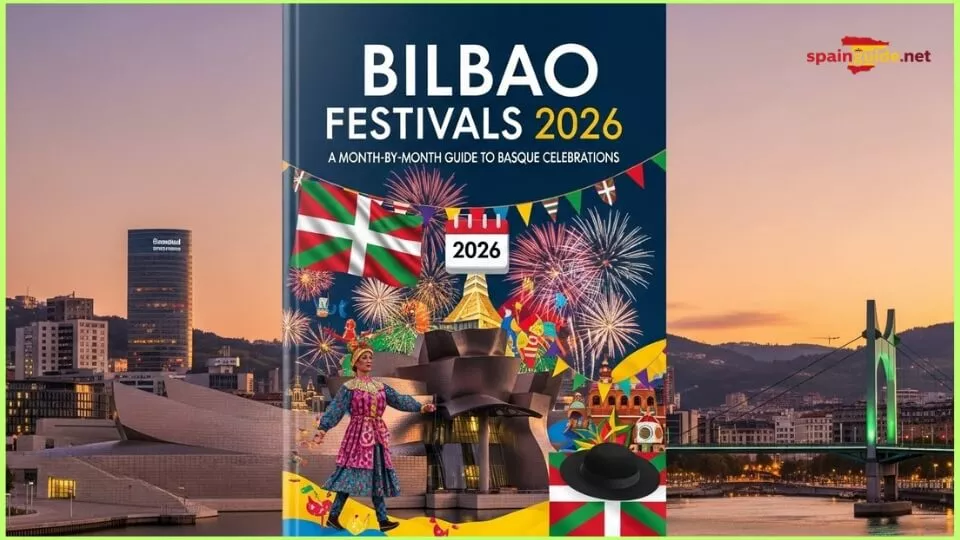
If you think Bilbao‘s just about the Guggenheim and pintxos, you’re missing half the story. This city knows how to party—Basque style. We’re talking nine-day festivals with fireworks every night, bonfire-jumping traditions older than most European countries, and carnival characters that look like they escaped from a fever dream. Whether you’re planning a 2026 trip or just curious what makes Basque celebrations so special, this month-by-month guide has you covered.
Bilbao sits right in the heart of the Basque Country, and that cultural identity runs deep. The festivals here aren’t just parties—they’re living traditions mixing ancient rituals, serious gastronomy, the Basque language (Euskara), and community spirit that’ll make you feel like an outsider and an instant friend at the same time.
2026’s looking like a stellar year to experience these celebrations, especially with BBK Live’s 20th anniversary and Aste Nagusia hitting peak form. This guide breaks down what’s happening each month so you can plan your visit around the festivals that match your vibe—whether that’s massive music festivals, intimate neighborhood parties, or ancient bonfire rituals.
January: Winter Traditions & New Year Celebrations
Three Kings Parade (Cabalgata de Reyes)
Forget Santa—in Spain, the Three Kings bring the presents on January 5th. Bilbao’s Cabalgata de Reyes 2026 kicks off at 6 pm from Gran Vía and winds through Plaza Moyúa and Plaza Circular before reaching the Town Hall around 7:30 pm.
This year’s parade theme features mythical characters like Pegasus and Athena alongside pop culture icons from Transformers, Toy Story, and Mario Bros—basically everything kids obsess over. The Three Kings arrive on elaborate castle floats (Melchor in stone, Gaspar in Asian sand, Baltasar in African wood), and they throw sweets to the crowds, which gets competitive.
You can meet the Kings earlier that morning (10 am-2 pm) at the Town Hall if you book tickets starting December 30th at 10 am on the city website.
San Antón Festival
Late January brings San Antón (Saint Anthony’s Day), a festival with rural roots celebrating animals, local markets, and traditional Basque food. It’s smaller and more local than the Three Kings parade, but it offers a genuine taste of neighborhood traditions without the tourist crowds.
Weather check: January’s cold (7-13°C), rainy, and grey. Dress warm, bring an umbrella, and embrace the cozy bar-hopping afterward.
February: Carnival Season (Aratusteak)
Bilbao Carnival (Aratusteak)
Basque carnival isn’t your typical feathers-and-samba affair—it’s weird in the best way. Traditional characters include bell-wearing figures (joaldunak), bears (hartza), and various creatures from pre-Christian rituals celebrating winter’s end and nature’s awakening.
Towns like Lanz (February 10-13, 2026) go particularly hard with characters like Miel Otxin (a bandit burned at the stake), Ziripot (a chubby figure who gets pushed around), and various bell-ringers creating massive noise to “wake up” nature. These carnivals are now protected as Assets of Cultural Interest because Franco banned them, and communities fought to bring them back.
In Bilbao proper, expect neighborhood parties, satirical parades, costumes, and plenty of drinking. It’s not as intense as smaller Basque villages, but you’ll still catch the spirit.
Visitor tips: Carnival dates shift each year, slightly based on Easter. February 2026 means it’ll likely fall mid-month. Book accommodation early if you’re visiting—locals treat this seriously.
March: Basque Heritage & Local Festivities
March is a quieter festival-wise, making it perfect if you want to experience Bilbao without massive crowds. You’ll find smaller neighborhood celebrations and occasional Basque sports (Herri Kirolak) exhibitions—think stone lifting, wood chopping, and tug-of-war competitions that look deceptively simple until you try them.
The weather starts improving (10-16°C), and spring’s creeping in. Great month for museum visits, pintxo bar crawls, and exploring the city at a relaxed pace.
April: Easter & Spring Celebrations
Semana Santa (Holy Week)
Easter brings Semana Santa processions—religious, solemn, but culturally significant. Bilbao’s celebrations are quieter than Andalusia’s famous ones (no giant floats carried through streets), but you’ll see processions and traditional observances, especially in older neighborhoods.
Spring weather’s lovely by now (12-18°C), perfect for walking along the Nervión River or hiking the surrounding hills. Seasonal foods like lamb and torrijas (Spanish French toast) dominate restaurant menus.
May: Music, Markets & Street Life
May’s when Bilbao really wakes up. Outdoor cultural events multiply, artisan fairs pop up in plazas, and Basque music performances start appearing everywhere—from traditional trikitixa (Basque accordion) to contemporary rock sung in Euskara.
The weather’s genuinely great now (14-20°C), terraces fill up, and the city shifts into festival mode, building toward summer. If you want decent weather without peak crowds, May’s your sweet spot.
June: Summer Begins in Bilbao
San Juan Bonfires (Noche de San Juan)
June 23rd is magical—literally. The Night of San Juan celebrates the summer solstice with massive bonfires across the Basque Country, mixing pre-Christian rituals with modern partying.
In Bilbao, the biggest bonfire happens at Artxanda (the hill overlooking the city), though you’ll find smaller fires in neighborhoods like Amallo and throughout Bizkaia in towns like Leioa, Getxo, and Bermeo.
The ritual: You’re supposed to jump over the bonfire three times for good luck in the coming year. People also write wishes on paper and burn them in the flames, hoping they’ll come true. You’ll see groups eating talo (corn flatbread) and drinking by the fire, singing traditional songs as the shortest night of the year turns into the longest party.
Pro tip: Fire-jumping sounds romantic until you realize how hot those flames get. Watch a few locals first to gauge bonfire height before you commit.
July: Major Festivals & International Events
BBK Live Festival (July 9-11, 2026)
BBK Live 2026 celebrates its 20th anniversary from July 9-11 on Mount Kobetamendi. This is one of Europe’s coolest festival locations—you’re literally on a mountain overlooking Bilbao with 115,000+ people vibing to international acts.
First-wave 2026 confirmations include Lily Allen (performing her comeback album West End Girl in full), plus Spanish favorites like Dani Fernández, Belén Aguilera, and La M.O.D.A. Expect the lineup to expand massively—BBK Live pulls major international headliners every year.
Travel tips for July 2026:
Book accommodation months in advance—the festival sells out hotels across Bilbao
Three-day passes start around €38-100+ depending on tier
The festival site is accessible by metro (Ansio station), making logistics easy
July weather’s perfect (18-25°C), though it can rain—bring a light jacket
Neighborhood Fiestas
July also kicks off neighborhood-specific festivals (fiestas de barrio) with open-air concerts, food stalls, and local celebrations. These smaller parties give you authentic Bilbao vibes without festival-level crowds.
August: Bilbao’s Biggest Festival Month
Aste Nagusia (Bilbao Big Week) – August 22-30, 2026
This is the big one. Aste Nagusia (literally “Great Week”) runs for nine days from August 22-30, 2026, and it completely takes over the city.
Opening ceremony (August 22): Everything starts with the txupinazo (firework burst) at the Arriaga Theatre, followed by the appearance of Marijaia—a puppet figure with raised arms and a huge smile who’s the festival’s symbol. She appears on the theater balcony to wild cheers, and from that moment, Bilbao goes absolutely off.
What happens daily:
Over 100 free concerts across 9 stages throughout the city
Fireworks displays every single night
Street performances, traditional Basque dancing, and parades
Food stalls serving pintxos, txakoli wine, and regional specialties
Verbenas (traditional dance bands) at Plaza Circular with two shows nightly (8pm and 11:15pm) from August 20-27
Concert series in neighborhoods like Zaratas and Algara running throughout the week
Closing ceremony (August 30): The festival ends with Marijaia being burned in front of the Arriaga Theatre—a bittersweet moment watched by thousands. People literally cry as the puppet burns, symbolizing the end of the festivities. It’s weirdly emotional.
Why it matters: Aste Nagusia defines Bilbao’s festival identity more than any other event. It’s when locals go hard, tourists flood in, and the city becomes one massive street party for over a week.
Practical advice:
Book accommodation 6+ months ahead—seriously
Peak crowds hit evenings and weekends; mornings are calmer
Explore beyond the main stages—best moments happen in random neighborhood corners
Expect noise, crowds, and basically zero sleep if you’re staying centrally
Budget for food and drinks—you’ll spend more than planned.
September: Basque Identity & Harvest Celebrations
September shifts to Basque sports festivals (Herri Kirolak) and gastronomy events celebrating the harvest season. You’ll find traditional competitions—stone lifting, wood chopping, hay bale throwing—that showcase rural Basque strength culture.
Food festivals celebrate seasonal produce: peppers, mushrooms, and early wine harvests. The weather’s still gorgeous (16-22°C), and tourist numbers drop significantly post-Aste Nagusia.
October: Food, Wine & Cultural Events
Txakoli Wine Harvest Festivals
October brings txakoli wine harvest celebrations in the countryside around Bilbao. Txakoli’s the slightly sparkling, crisp white wine served with pintxos—it’s everywhere in the Basque Country. Wineries open for tastings, harvest festivals celebrate the season, and you can watch traditional grape pressing.
Autumn food fairs showcase wild mushrooms, game meats, and chestnuts. Museum programming increases as the weather gets less reliable (13-20°C, frequent rain).
November: Local Traditions & Quiet Celebrations
November’s genuinely low-key—perfect for cultural travelers who want authentic experiences without festival chaos. You’ll catch Saint Day celebrations in individual neighborhoods, small traditional workshops, and local markets preparing for Christmas.
This is prime “slow travel” season. The weather’s chilly and grey (10-16°C), but accommodation’s cheap, locals have time to chat, and you’ll see everyday Bilbao life unfiltered.
December: Christmas & Year-End Festivities
Bilbao Christmas Markets
December brings Christmas markets around the city, particularly near the cathedral and main squares. Expect traditional Basque crafts, seasonal foods (turrón, polvorones), nativity scenes (belenes), and holiday lights transforming the streets.
New Year’s Eve (Nochevieja): Spaniards eat 12 grapes at midnight (one per bell chime) for luck in the coming year. Bilbao’s main square fills with people attempting this surprisingly difficult feat while trying not to choke.
Basque Christmas treats include intxaursaltsa (walnut cream dessert) and endless family meals that last hours.
Practical Travel Tips for Bilbao Festivals 2026
Best Months Based on Interests
Big festivals: July (BBK Live) and August (Aste Nagusia)
Traditional culture: February (Carnival), June (San Juan), January (Three Kings)
Good weather + smaller crowds: May, September, October
Budget travel: November, January-March (post-Kings)
Booking Accommodation During Peak Festivals
For BBK Live and especially Aste Nagusia, book 6+ months ahead. Prices spike, availability disappears, and you’ll end up in San Sebastián commuting if you wait. Smaller festivals are fine, booking 1-2 months out.
Understanding Basque Customs and Etiquette
Respect the language: Basque (Euskara) is not Spanish—it’s unrelated to any known language family. You’ll see bilingual signs everywhere
Festival participation: Join in—Basques appreciate visitors who engage with traditions rather than just photographing them
Eating and drinking: Pintxo bars are social spaces; order one pintxo, eat at the bar, pay, and move to the next place
Noise levels: Basque festivals get loud—bells, drums, fireworks, crowds. Bring earplugs if you’re noise-sensitive
Useful Basque Phrases for Festivalgoers
Kaixo (KAI-sho) = Hello
Eskerrik asko (es-KER-rik AS-ko) = Thank you
Topa! (TO-pa) = Cheers!
Ondo pasa! (ON-do PA-sa) = Have fun! / Enjoy!
Zorionak! (zo-ri-O-nak) = Congratulations / Happy [occasion]!
Most people speak Spanish, too, but throwing out basic Basque phrases earns instant smiles.
FAQs
What is the biggest festival in Bilbao?
Aste Nagusia (Bilbao Big Week) is absolutely the biggest, running August 22-30, 2026. Nine days of concerts, fireworks, street parties, and over 100 free performances across the city.
When is Aste Nagusia in 2026?
August 22-30, 2026. It always starts the Saturday after August 15th and runs for nine days.
Are Bilbao festivals family-friendly?
Mostly yes. The Three Kings Parade is specifically designed for kids, San Juan bonfires welcome families (though watch young kids near the fire), and Aste Nagusia has daytime activities suitable for all ages. Evening concerts and late-night partying skew adult, obviously.
Do I need tickets for Bilbao festivals?
Most festivals are free—Aste Nagusia’s concerts, neighborhood parties, San Juan bonfires, carnival events. Only BBK Live requires tickets (€38-100+). Some specific events within festivals might need advance booking (like meeting the Three Kings).
Bilbao’s festival calendar proves this city’s way more than just modern art and fancy architecture. From ancient bonfire rituals predating Christianity to massive August street parties lasting nine days straight, these celebrations reveal the Basque Country’s cultural soul.
Whether you’re timing your 2026 visit for BBK Live’s 20th-anniversary lineup, planning to jump through San Juan bonfires, or just want to experience Aste Nagusia’s legendary chaos, Bilbao delivers authentic, crowd-free (well, except August), genuinely Basque experiences that most visitors never see.