Spain is one of those places that has literally everything—stunning beaches, jaw-dropping architecture, mountains for hiking, incredible food, and a nightlife scene that’ll keep you going till sunrise. Whether you’re into history, art, adventure, or just want to chill on the beach with some tapas, Spain’s got you covered. With over 260 billion euros expected in tourism spending by 2025, it’s clear people can’t get enough of this diverse country. Let’s dive into the top 10 spots you absolutely need to check out.
1. Barcelona – Art, Architecture, and Mediterranean Vibes
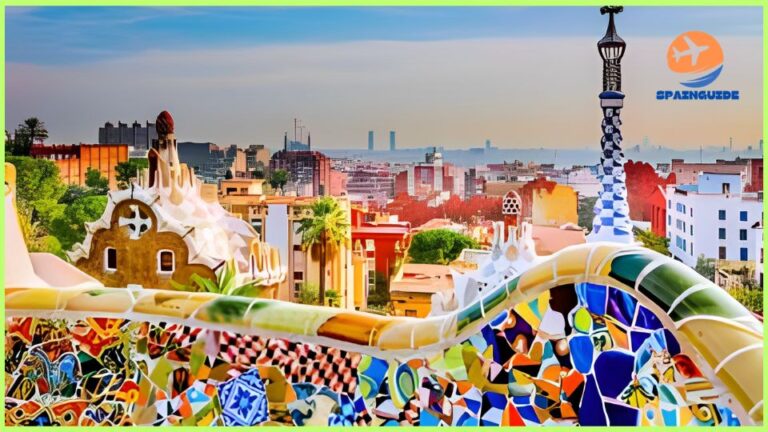
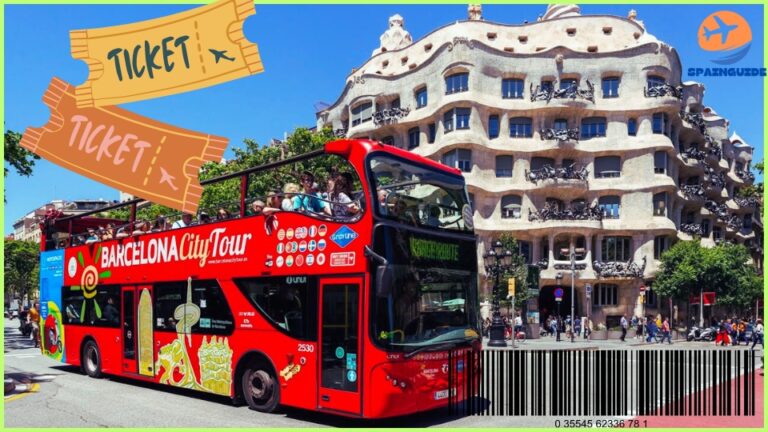
Barcelona is where modernist genius meets beach life, and honestly, it’s hard not to fall in love with this city. Gaudí’s masterpieces like the Sagrada Família and Park Güell are mind-blowing—seriously, the architecture alone is worth the trip. After wandering through the Gothic Quarter’s narrow streets, you can hit the beach at Barceloneta, then party till dawn in the city’s legendary nightlife scene. Spring (April-May) and fall (September-October) are your best bets for visiting—perfect weather without the crazy summer crowds.
2. Madrid – The Cultural Heart of Spain
Madrid’s got that big city energy with world-class museums that’ll blow your mind. The Prado and Reina Sofía museums house some of the most famous artwork you’ll ever see in person. The Royal Palace is stunning (and way bigger than Buckingham Palace, just saying), and neighborhoods like Malasaña and Chueca are perfect for getting lost in. The food scene is incredible—think late-night tapas hopping and bocadillos de calamares—and the nightlife doesn’t even start until midnight.
3. Seville – Passion, Flamenco, and History
If you want the “real Spain” vibe, Seville delivers in spades. The Alcázar palace is like stepping into a fairy tale with its Moorish architecture and gorgeous gardens, while the Cathedral (where Columbus is buried) is absolutely massive. Flamenco here isn’t just for tourists—it’s in the city’s soul. Time your visit for Semana Santa (Holy Week) or Feria de Abril in spring, and you’ll witness celebrations that are basically giant street parties with incredible costumes and traditions.
4. Valencia – Innovation Meets Tradition
Valencia’s got this cool mix of futuristic and traditional that works surprisingly well. The City of Arts and Sciences looks like it belongs in a sci-fi movie, while the old town keeps things authentic. Oh, and this is where paella was born, so you’re eating it at the source. The beaches are great, the city’s super bike-friendly, and it’s way less touristy than Barcelona or Madrid, which means you get more bang for your buck.
5. Granada – Moorish History and Mountain Views
The Alhambra palace is one of those places that lives up to the hype—it’s absolutely stunning and you’ll need to book tickets way in advance. The Albaicín neighborhood is perfect for wandering around and getting a bit lost (in a good way), with amazing views of the palace from various viewpoints. What’s cool is that Granada sits right next to the Sierra Nevada mountains, so you can literally ski in the morning and be back in the city for tapas by evening in winter.
6. Ibiza – More Than Just Nightlife
Yeah, Ibiza’s famous for its clubs and world-famous DJs, but there’s so much more to this island. Hidden beaches (calas) with crystal-clear water are perfect for chilling during the day, and the sunsets are absolutely legendary. Lately, the island’s also become a wellness destination with yoga retreats and health-focused restaurants. If you’re not into the party scene, visit in shoulder season (May or October) when it’s quieter but still gorgeous.
7. Mallorca – Beaches, Mountains, and Villages
Mallorca is Ibiza’s more laid-back cousin with some serious natural beauty. The Serra de Tramuntana mountain range is UNESCO-listed and perfect for hiking, while the beaches have that Instagram-worthy turquoise water. Towns like Sóller and Valldemossa are straight out of a postcard—stone buildings, winding streets, and local markets selling fresh produce. It’s popular with cyclists too, so you’ll see pros training on the mountain roads.
8. Bilbao – Art, Culture, and Basque Cuisine
The Guggenheim Museum put Bilbao on the map, and the building itself is a work of art. But honestly, the pintxos (Basque tapas) scene here might be even better than the museum. Hopping from bar to bar trying tiny, elaborate bites paired with local wine is basically the best way to spend an evening. Bilbao’s also your gateway to exploring the stunning Basque coast and green mountains of northern Spain.
9. San Sebastián – A Food Lover’s Paradise
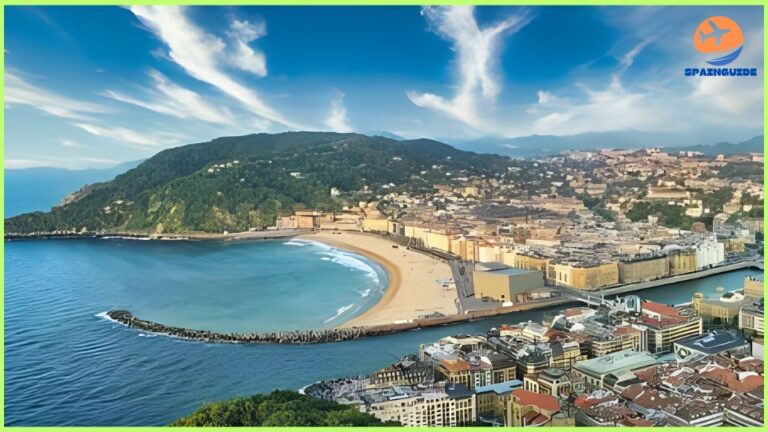
San Sebastián has more Michelin stars per capita than almost anywhere else on Earth, so yeah, food’s kind of a big deal here. Even if you can’t afford the fancy restaurants, the pintxos bars serve mind-blowing food at reasonable prices. La Concha Beach is considered one of the most beautiful city beaches in Europe, and the surrounding coast is great for surfing. The vibe here is elegant but relaxed—like the sophisticated cousin who’s still fun at parties.
10. Córdoba – A Journey Through Time
Córdoba’s Mezquita-Catedral is one of the most unique buildings you’ll ever see—a mosque that got converted into a cathedral, creating this wild architectural mashup. The city’s got layers of Roman, Islamic, and Christian history all mixed together. If you visit in May, the Patios Festival showcases residents’ gorgeously decorated courtyards filled with flowers. It’s smaller and less touristy than other Andalusian cities, which gives it a more authentic feel.
Best Time to Visit Spain
Late spring (April-May) and early fall (September-October) are your sweet spots for visiting Spain—great weather, fewer crowds, and better prices. Summer (July-August) gets ridiculously hot, especially in the south, and everyone and their mother is vacationing, so expect higher prices and packed attractions. Winter is mild in most of Spain and perfect if you’re on a budget, though some beach destinations basically shut down. Northern Spain stays cooler in summer, making it ideal if you hate extreme heat.
Travel Tips for Exploring Spain
Spain’s train network is excellent—AVE high-speed trains connect major cities at 310 km/h, getting you from Madrid to Barcelona in just 2.5 hours. Buses are cheaper but slower, and sometimes flying between cities is surprisingly affordable. Book trains on RENFE’s website about 90 days ahead for the best deals. Language-wise, basic Spanish goes a long way, though English works in tourist areas. Budget travelers can find hostel beds for €20-35 per night, while mid-range hotels run €90-180. Spain’s not dirt cheap anymore, but it’s still more affordable than many Western European countries.
Why Spain Should Be Your Next Adventure
Spain genuinely has something for everyone—whether you’re a history buff, beach bum, foodie, party animal, or outdoor adventurer. You can hike the Pyrenees, surf the Atlantic coast, explore Moorish palaces, eat your way through pintxos bars, and dance till dawn, all in one country. With excellent transportation, diverse regions each with their own culture and cuisine, and that famous Spanish laid-back vibe, it’s easy to see why Spain’s tourism sector keeps breaking records. Time to start planning that trip!
FAQ
What is the best destination in Spain for first-time visitors?
Barcelona or Madrid are your best bets for first-timers—they’ve got the infrastructure, famous sights, and give you a good overview of Spanish culture. Barcelona wins if you prefer beaches and modernist architecture, while Madrid’s better for museums and central Spain’s vibe.
Which Spanish cities are best for adventure travel?
The Pyrenees, Picos de Europa, and Sierra Nevada offer incredible hiking, rock climbing, canyoning, and paragliding. Cities like Cangas de Onís (Picos de Europa) and towns in the Catalan Pyrenees are adventure sport hubs with activities from beginner to extreme levels.
Is Spain a budget-friendly travel destination?
Spain’s moderately priced—cheaper than France or the UK but not as cheap as it used to be. Hostel dorms start around €20-35, budget meals can be €10-15, and transportation is reasonable if you book ahead. Southern and inland cities are generally cheaper than Barcelona or San Sebastián.
How many days do you need to explore Spain?
For a quick intro hitting 2-3 major cities, plan at least 7-10 days. Two weeks lets you explore a region properly (like Andalusia or the north coast), while 3-4 weeks means you can really dig into multiple regions without rushing. Spain’s bigger than you think, so don’t try cramming everything into one trip!