
Spain in 2026? You’re making an excellent life decision! This sun-soaked country is basically the perfect mix of everything: stunning beaches, world-class art, medieval cities, insane food, and a party scene that won’t quit. Whether you’re here for Gaudí, tapas, or just to live your best Mediterranean life, this guide’s got you covered.
Why Visit Spain in 2026?
Spain’s always been a top European destination, but 2026’s looking particularly solid. The country has invested heavily in tourism infrastructure—especially the high-speed train network, which now covers over 4,000 km. Plus, Spain consistently ranks as one of the safest countries in Europe with low crime rates and excellent tourist protections.
The vibe here is unbeatable: medieval towns meet modern cities, world-famous museums sit next to tapas bars, and you can go from skiing in the Pyrenees to beach-hopping in the Mediterranean in a few hours. It’s diverse, accessible, and honestly just fun.
Best Time to Visit Spain in 2026
Spring (March–May)
This is peak perfection. Temps are comfortable (15-25°C/59-77°F), flowers are blooming, and you’ll dodge the summer tourist madness. April and May are especially gorgeous. Only downside? Semana Santa (Easter week) gets crowded in southern cities.
Summer (June–August)
Hot, busy, festival-packed. Perfect for beaches and coastal living, but inland cities like Madrid and Seville can be brutal (we’re talking 35-40°C/95-104°F). Upside? Amazing festivals like Primavera Sound and Sónar happen in June. Northern Spain stays cooler and more comfortable.
Autumn (September–October)
Another winner. The weather’s still warm but manageable (20-28°C/68-82°F), crowds thin out after August, and it’s perfect for city exploring, wine tours, and cultural stuff. Plus, prices drop.
Winter (December–February)
Mild in most places, especially the south and coast. Great for avoiding crowds and snagging deals. Not beach weather (except maybe Canary Islands), but perfect for Christmas markets and exploring cities without melting.
Top Places to Visit in Spain
Barcelona
Gaudí’s playground. The Sagrada Família alone is worth the flight, but add Park Güell, the Gothic Quarter, beach time, and an incredible food scene—yeah, you’ll need at least 3-4 days. Watch your belongings, though; Las Ramblas and touristy areas attract pickpockets.
Madrid
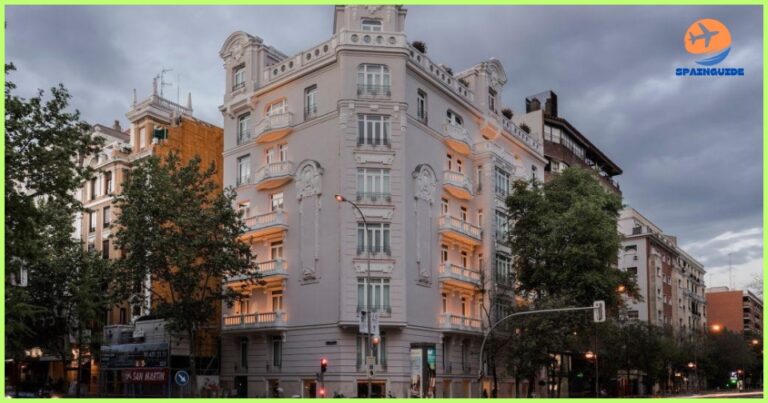
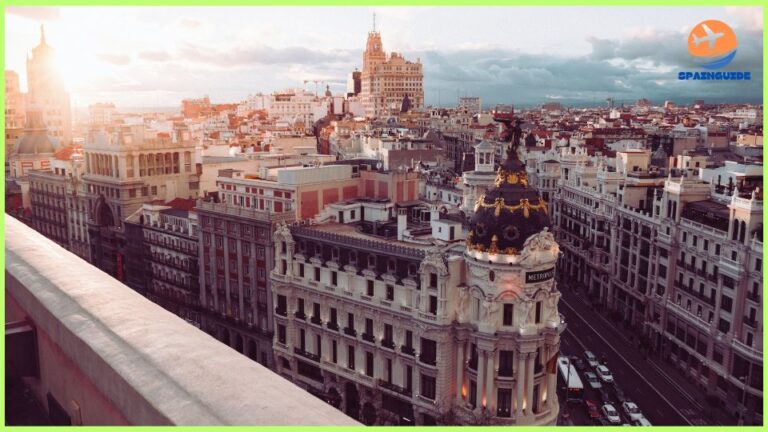
The capital’s got world-class museums (Prado, Reina Sofía), gorgeous parks (Retiro), amazing tapas culture, and killer nightlife. It’s more traditionally Spanish than Barcelona—less touristy, more authentic. Pl it’sss,s excellent connections to everywhere else.
Seville
Pure Andalusian magic. Flamenco, tapas, the Alcázar palace, cathedral with Giralda tower, and the cutest barrios (neighborhoods) you’ll ever wander. Spring’s the best time, especially during Feria de Abril.
Valencia
Super underrated! Home of paella, the stunning City of Arts and Sciences, beaches right in the city, and way fewer tourists than Barcelona or Madrid. Perfect if you want big city vibes without the crowds.
Granada
Come for the Alhambra (book tickets way in advance!), stay for the free tapas culture, Moorish history, and Sierra Nevada mountain views. Magical place.
Costa del Sol
Beach Central. Málaga’s the cultural hub with museums and old town charm, and then you’ve got resort towns all along the coast. Super safe and great infrastructure.
Ibiza & Mallorca
Balearic Islands beauty. Ibiza’s famous for nightlife but also has gorgeous beaches and hippie markets. Mallorca’s more diverse—mountains, cute towns, stunning coastline. Both are very safe with strong tourism support.
Hidden Gems
- Ronda: Dramatic gorge, white-washed buildings, stunning views
- Cádiz: Ancient port city with beaches and amazing seafood
- Salamanca: University town with incredible architecture
- Asturias: Green Spain—mountains, cider, coastal villages, totally different vibe
Spain Itineraries
7 Days: Madrid (2-3 days) → Barcelona (3-4 days). The classic first-timer route. Add Toledo or Segovia as day trips from Madrid.
10 Days: Madrid (2 days) → Seville (2 days) → Granada (2 days) → Barcelona (3 days). Hits the major bases, mixes cultures.
14 Days: Add Valencia, Costa del Sol beaches, or Basque Country (San Sebastián). Now you’re really seeing Spain’s diversity.
Beach lovers: Focus on Costa del Sol, Valencia, Balearics, or Canary Islands, depending on the season.
Spain Travel Costs in 2026
Spain’s surprisingly affordable, especially compared to other Western European countries:
- Hostel dorms (€15-25)
- Menu del día lunches (€10-15)
- Market/supermarket food
- Public transport
- Free museums and walking tours
- Nice hotels or Airbnbs (€50-80)
- Restaurant meals
- Attractions and museums
- Regional trains
- Occasional splurges
- Boutique hotels
- Fine dining
- Private tours
- High-speed trains first class
- Premium experiences
Regional differences: Barcelona and Madrid cost 25-40% more than Andalusia or northern cities for equivalent quality. Southern Spain and smaller cities let you stretch your budget further.
Sample 12-day budget trip: €984-1,317 total covers Barcelona, Madrid, Granada, Seville with hostels, authentic local food, public transport, and key attractions.
Getting Around Spain
High-Speed Trains (AVE)
Spain’s rail network is incredible—the longest in Europe at nearly 4,000 km. AVE trains hit 310 km/h and connect major cities fast: Madrid to Barcelona in under 3 hours, Madrid to Seville in 2.5 hours. Book early for promotional fares (as low as €35).
- Madrid-Barcelona
- Madrid-Seville
- Madrid-Valencia
- Madrid-Málaga
- Madrid-Gijón/Oviedo
Pro tip: Renfe is the national rail company. Their website and app can be finicky, but it’s worth figuring out for the savings.
Domestic Flights
Budget airlines (Vueling, Ryanair) make island-hopping and long-distance hopping cheaply. Sometimes faster/cheaper than trains for certain routes.
Public Transport
Cities have excellent metro/bus systems. Madrid and Barcelona metros are clean, efficient, and affordable.
Car Rentals
Great for rural areas, coast-hopping, or mountain regions. Unnecessary (and annoying) in big cities. Driving in Barcelona or Madrid is asking for stress.
Spain Travel Requirements in 2026
Schengen Area rules apply:
Visa-free travelers: US, Canada, UK, Australia, and many others can stay up to 90 days within 180 days without a visa.
- Passport valid for at least 3 months beyond departure with 2 blank pages
- Proof of accommodation
- Return/onward ticket
- Proof of sufficient funds
- Travel health insurance
ETIAS: Starting late 2026, visa-exempt travelers will need ETIAS pre-authorization. It’s online, costs around €7, and lasts 3 years. Not a visa—just pre-travel screening.
If you need a Schengen visa, apply at the Spanish embassy/consulate. The fee is €90.
Spanish Culture & Etiquette
Meal times: Lunch is 2-4 pm, dinner starts around 910 pmm. Restaurants opening a7 pmpm are catering to tourists.
Siesta myth: Not everyone naps, but small shops often close5 pmm5pm.
Tipping: Not required but appreciated. Round up or leave 5-10% for good service.
Language: Spanish (Castellano) everywhere. Catalan in Catalunya, Basque Country in the Basque Country, Galician in Galicia. English works in tourist areas, less so elsewhere. Learn basic phrases—locals appreciate the effort.
Social norms: Spaniards are warm, loud, and love to chat. A two-cheek kiss greeting is standard among friends. Dinner stretches for hours. Life happens outdoors.
Food & Drinks to Try in Spain
Spain’s food scene is world-class and ridiculously affordable.
Must-try dishes:
- Paella: Rice dish from Valencia—seafood, chicken, or mixed
- Tapas: Small plates of everything—patatas bravas, gambas al ajillo, croquetas
- Jamón Ibérico: Cured ham that’ll ruin all other ham for you
- Tortilla Española: Potato omelet, perfect anytime
- Gazpacho: Cold tomato soup for hot days
- Pintxos: Basque Country’s answer to tapas
Drinks:
- Spanish wine: Rioja, Ribera del Duero, Priorat—all incredible
- Cava: Spanish sparkling wine, cheaper and often better than prosecco
- Sangria: Touristy but fun
- Vermouth: Having a moment, especially in Barcelona
- Café con leche: Your morning fuel
Menu del día: Lunch specials (usually €10-15) with starter, main, dessert, and drink. Best budget hack in Spain.
Festivals & Events in Spain 2026
- Primavera Sound (June 4-6, Barcelona): Massive indie/rock festival
- Sónar (June 25, Barcelona): Electronic music and tech fest
- San Fermín (July 7-14, Pamplona): Running of the Bulls—wild and controversial
- La Tomatina (Last Wednesday in August, Buñol): Giant tomato fight
- Semana Santa (Easter week): Religious processions, especially impressive in Seville
- Feria de Abril (April, Seville): Week-long fair with flamenco, horses, and drinking
- Granada International Festival (June 12-July 12): Music and dance
Is Spain Safe for Tourists in 2026?
Yes, very safe. Spain maintains low crime rates and a strong tourism infrastructure. Violent crime against tourists is rare.
- Three police forces ensure coverage everywhere
- Tourist assistance offices in major cities with English-speaking staff
- Beach lifeguards are active from April to October
- Emergency number 112 operates in English 24/7
Watch out for:
- Pickpockets in Barcelona (Las Ramblas, Sagrada Família area), Madrid metro, and tourist hotspots
- Distraction scams (friendship bracelets, fake petitions)
- Bag snatching
Use crossbody bags, don’t flash valuables, keep copies of documents—basic stuff. Solo travelers and families do great in Spain.
Travel Tips for Spain in 2026
Money: Cash still matters, especially in small towns and for small purchases. ATMs are everywhere, but notify your bank before traveling.
SIM cards: Easy to get at airports or phone shops. Vodafone, Orange, and Movistar are the main carriers.
Power: Type C and F plugs, 230V (European standard).
Packing: Layers, comfortable walking shoes, sunscreen. Dress code ispretty casual except for fancy restaurants or clubs.
Water: Tap water’s safe everywhere.
FAQs
Is Spain expensive?
No, it’s quite affordable by Western European standards. Budget carefully and you’ll be surprised how far your money goes.
Do I need to speak Spanish?
Helps, but not required in tourist areas. Learn the basics, and you’ll have a better experience.
How many days are enough?
Minimum 7 days. 10-14 days lets you really explore beyond just the highlights.
Best city for first-timers?
Barcelona or Madrid. Both offer a great intro to Spanish culture with excellent infrastructure.
Is Spain safe?
Yes, one of Europe’s safest countries.
Spain should absolutely be on your 2026 list. It’s got everything—history, beaches, mountains, world-class food, vibrant culture, excellent infrastructure, and safety. The high-speed rail network makes getting around eaeasythe costs are reasonable, anthe d countris’s welcoming to all types of travelers.
Book flights and popular festival tickets early. Reserve Alhambra tickets months in advance. But otherwise, leave room for spontaneity—some of Spain’s best moments happen when you stumble into a random tapas bar or stumble upon a local festival.
Trust me, you’ll start planning your return trip before you even leave. ¡Buen viaje! 🇪🇸🥘🍷