Palma de Mallorca is one of those places where you come “just for a weekend” and suddenly start checking long‑stay prices. It’s sunny, walkable, full of cafés, and the hostel scene is actually pretty modern and fun, not grim backpacker basement vibes. Staying in a hostel here basically means saving money for tapas and boat trips while still sleeping somewhere cool, central, and social.
Below is a simple, human-style outline you can turn into a full article, already aligned with SEO and your headings, but written as if you’re chatting with a friend.
Palma de Mallorca is the kind of Mediterranean city that gives you a bit of everything in one place: golden beaches, a Gothic cathedral, tapas bars in old stone streets, and a port full of fancy yachts you’ll “own one day”. Hostels here sit right in the middle of that mix, so you’re not wasting time commuting from some random resort zone.
Hostels in Palma are a sweet spot for budget travelers: cheaper than most hotels, but way more stylish and social than people expect, with rooftop terraces, pools, and chill common areas. The idea is simple — sleep cheap, hang out with other travelers, and spend your money on food, sunsets, and boat trips instead of on a room you just use to shower and crash.
1. Why Stay in a Hostel in Palma de Mallorca?
Hostels make Palma much more affordable, especially now that hotel prices in popular Spanish beach cities keep going up year after year. You can grab a dorm bed for the price of a couple of cocktails in the marina and still stay in a central area, close to the Old Town or the beach.
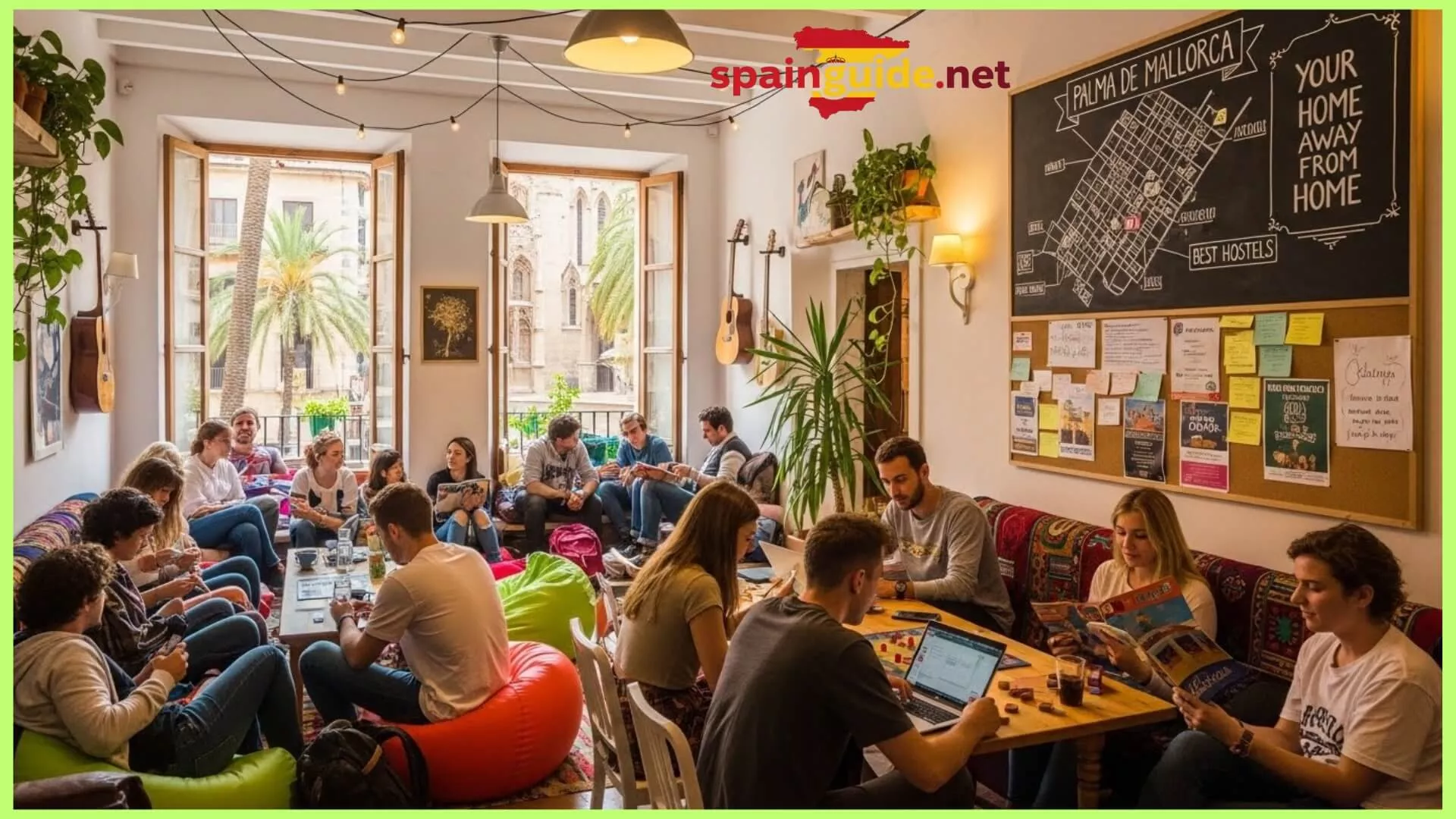
They’re also perfect for solo travelers and backpackers because you instantly get a built‑in community: shared kitchens, common rooms, bar nights, free walking tours, or sunset drinks on the terrace. Modern hostels in Palma often feel more “boutique” than “basic” — think swimming pools, coworking corners, fast Wi‑Fi, and Instagram‑friendly design instead of squeaky bunk beds and sad fluorescent lights.
2. How to Choose the Best Hostel in Palma
The first big decision is location. Old Town (La Seu / La Lonja) is best if you want history, cute streets, and everything walkable; Santa Catalina is your spot if you’re into brunch, bars, and a young, local vibe; Playa de Palma works if you mainly want to roll out of bed and onto the sand.
Then think about your budget and room type. Dorms are cheapest, private rooms give you hotel‑style privacy with hostel atmosphere, and many places also offer female‑only dorms for extra comfort. When picking, scan for must‑have features: good Wi‑Fi, air‑con (Mallorca summers are no joke), lockers, guest kitchen, social areas, and maybe organized activities. Always read recent reviews about cleanliness and security — you want keycard access, lockers, and staff who actually pay attention, not a permanent “whatever” mood at reception.
3. Best Hostels in Palma de Mallorca for Every Traveler
You can plug in real hostel names and details here based on your research, but this is how to frame each section so it’s friendly and scannable.
4.1 Best Overall Hostel
Here you highlight one hostel that does almost everything right: great location, nice design, good Wi‑Fi, and a mix of dorms and privates. Mention the rough price range (e.g., “mid‑range for a hostel, but you really feel where your money goes”) and why it works for most people.
Explain who it’s ideal for: solo travelers who want to meet people without crazy party vibes, couples who still want a social atmosphere, and small groups who want comfort without paying hotel prices. If it has something “wow” like a rooftop with cathedral views or a pool, push that hard — that’s the hook.
4.2 Best Hostel for Solo Travelers
Pick a place that’s super social but not chaotic. Look for daily or weekly events: walking tours, family dinners, pub crawls, or beach meetups. Emphasize big common areas where it’s easy to start a conversation without feeling awkward.
You can add honest, friendly advice like: “If you arrive alone, just hang out in the kitchen or the terrace for a bit — you’ll end up with a dinner group or beach squad faster than you expect.” Also mention staff: hostels where reception knows everyone’s name and actually introduces people are gold for solo travelers.
4.3 Best Party Hostel
Here you go, all‑in on nightlife. Choose a hostel close to bars and clubs, maybe in or near Santa Catalina or party‑friendly neighborhoods. Talk about bar crawls, happy hours, live DJ nights, or themed parties if they run them.
Be real about the noise: this is where you say, “Great if you want to sleep late, not great if you’re the ‘in bed by 11’ type.” Tip: recommend earplugs and mention if quiet hours are actually respected or just theoretical.
4.4 Best Hostel for Digital Nomads
For digital nomads, highlight reliable fast Wi‑Fi, plenty of plug sockets, and actual workspaces — not just a wobbly bar table next to the kitchen. If there’s a coworking room, desks, or quiet corners away from the dorms, mention that clearly.
Also talk about nearby cafés and the general vibe: is it chilled enough to work during the day and social enough to grab a drink after? A mix of private rooms and quieter dorms helps, so remote workers can choose how focused or social they want to be.
4.5 Best Budget-Friendly Hostel
Here you focus on the cheapest good‑value option — not just “the absolute lowest price”, but “lowest price without disaster reviews”. Note the typical bed price range and explain that it’s simple but does the basics right: clean beds, safe lockers, usable kitchen, decent Wi‑Fi.
This is a good place to say something like: “If your plan is to be outside all day and just need a clean place to crash, this is your spot. Nothing fancy, but your wallet will be very happy.”
4.6 Best Hostel for Couples
Pick a hostel with cozy private rooms and a calmer atmosphere. Think double beds, good soundproofing, maybe balconies or nice décor instead of 12‑bed chaos. Bonus points if there’s a rooftop, courtyard, or lounge where couples can relax without feeling like they’re crashing a backpacker party.
Make it clear that it still has the social side of a hostel — common kitchen, shared spaces — but with enough privacy so you don’t feel like you’re on a school trip.
4.7 Best Hostel Near the Beach
Here, you want a property that’s genuinely walkable to the beach (Playa de Palma, Cala Major, or similar), not a “15 minutes by bus” situation. Mention walking distance in minutes and any beach‑oriented perks: surf or paddleboard rentals nearby, lockers for your stuff, outdoor showers, or sunny terraces to dry towels and swimsuits.
This is ideal for people who want lazy days: wake up, grab flip‑flops, and be in the water in under 10 minutes. You can also point out nearby chiringuitos (beach bars) and sunset spots — always a good selling point.
5. Hostels in Palma de Mallorca by Neighborhood
To make this section useful and SEO‑friendly, lightly explain each area, then list a few hostels with a short “who it’s for” note.
5.1 Palma Old Town (La Seu & La Lonja)
Old Town is postcard Palma: narrow streets, stone buildings, tapas bars, cute plazas, and the cathedral watching over everything. Staying here means you can walk everywhere — sights, shops, and nightlife are all a few minutes away.
Recommended hostels in this area work well for first‑timers, culture lovers, and anyone who wants to step outside and immediately feel “Okay, this is Spain.” It’s especially good if you prefer bars and restaurants over clubs and just want a bit of everything within walking distance.
5.2 Santa Catalina
Santa Catalina is the trendy, foodie neighborhood: think brunch spots, cool bars, street art, and the famous market full of fresh food and snacks. It has a younger, local vibe and is perfect if you like staying where people actually live and go out, not just in tourist zones.
Hostels here are great for social travelers, food lovers, and anyone who likes to go out at night but doesn’t necessarily need a full “party hostel” experience. You can sell it as “Hip area, lots of cafés to work from during the day, bars at night, and the sea still not far away.”
5.3 Playa de Palma
Playa de Palma is made for beach people: long sandy shore, beach bars, water sports, and a very holiday mood. If your main plan is swimming, sunbathing, and maybe the occasional boat trip or watersport, this is your base.
Hostels here are ideal for groups of friends, sun‑seekers, and anyone who wants flip‑flops to be their main footwear. Just mention that getting to the historic center takes a bit longer, so it’s a trade‑off: beach at your door, Old Town a bus ride away.
6. What to Expect When Staying in a Palma Hostel
Palma’s hostel culture is relaxed and international: you’ll meet a mix of Europeans on weekend breaks, long‑term travelers, and digital nomads escaping bad weather back home. Socializing is super easy — shared kitchens, terraces, and hostel‑run activities make “Hey, where are you from?” a constant soundtrack.
Hostel etiquette is simple: keep noise down in dorms after quiet hours, label your food, don’t be that person who steals someone else’s pasta, and clean up after using the kitchen. For prices, expect dorm beds to start from low‑budget levels in shoulder season and climb in peak summer, while private rooms move into low‑to‑mid hotel pricing. Most places have lockers, keycards, CCTV, and 24‑hour or late reception, so your stuff and your sleep feel pretty safe.
7. Transportation Tips for Hostel Guests
From the airport, the easiest options are the airport bus into Palma, taxis, or rideshares — all straightforward and fast, especially if your hostel is near the center or the main seafront. Once you’re in town, buses cover most parts of Palma and nearby beaches, and walking is actually pleasant in the central areas.
To explore the island, buses can take you to major towns and popular beaches, but for full freedom (hidden coves, mountain villages, sunset viewpoints), renting a car or scooter for a few days is totally worth it. Bikes and e‑scooters are also great inside Palma itself, especially if your hostel is close to the long seaside promenade.
8. Final Tips to Get the Best Deals
Palma gets busy in summer, so booking early for June–September is almost a survival strategy, especially for the best‑rated hostels and private rooms. If you’re flexible, traveling in shoulder season (May, late September, October) gives you nicer prices, fewer crowds, and still very good weather.
Use comparison sites to check reviews and prices across different platforms, but always double‑check directly on the hostel’s website — sometimes they offer discounts, freebies, or loyalty perks for booking direct. If you travel often, it can be smart to stick with the same few hostel brands or booking platforms that reward repeat guests with points or discounts.
Palma de Mallorca’s hostels make the city accessible for almost every traveler type: solo backpacker, digital nomad, couple, or group of friends. You can go cheap and cheerful, stylish and social, or quiet and cozy — all while staying close to beaches, bars, and historic streets.
The key is to choose based on your travel goal: party, work, culture, or pure beach mode. Once you decide your vibe and neighborhood, book early, pack light, and get ready for sea views, sunset beers, and that classic “Why didn’t I come here sooner?” feeling.