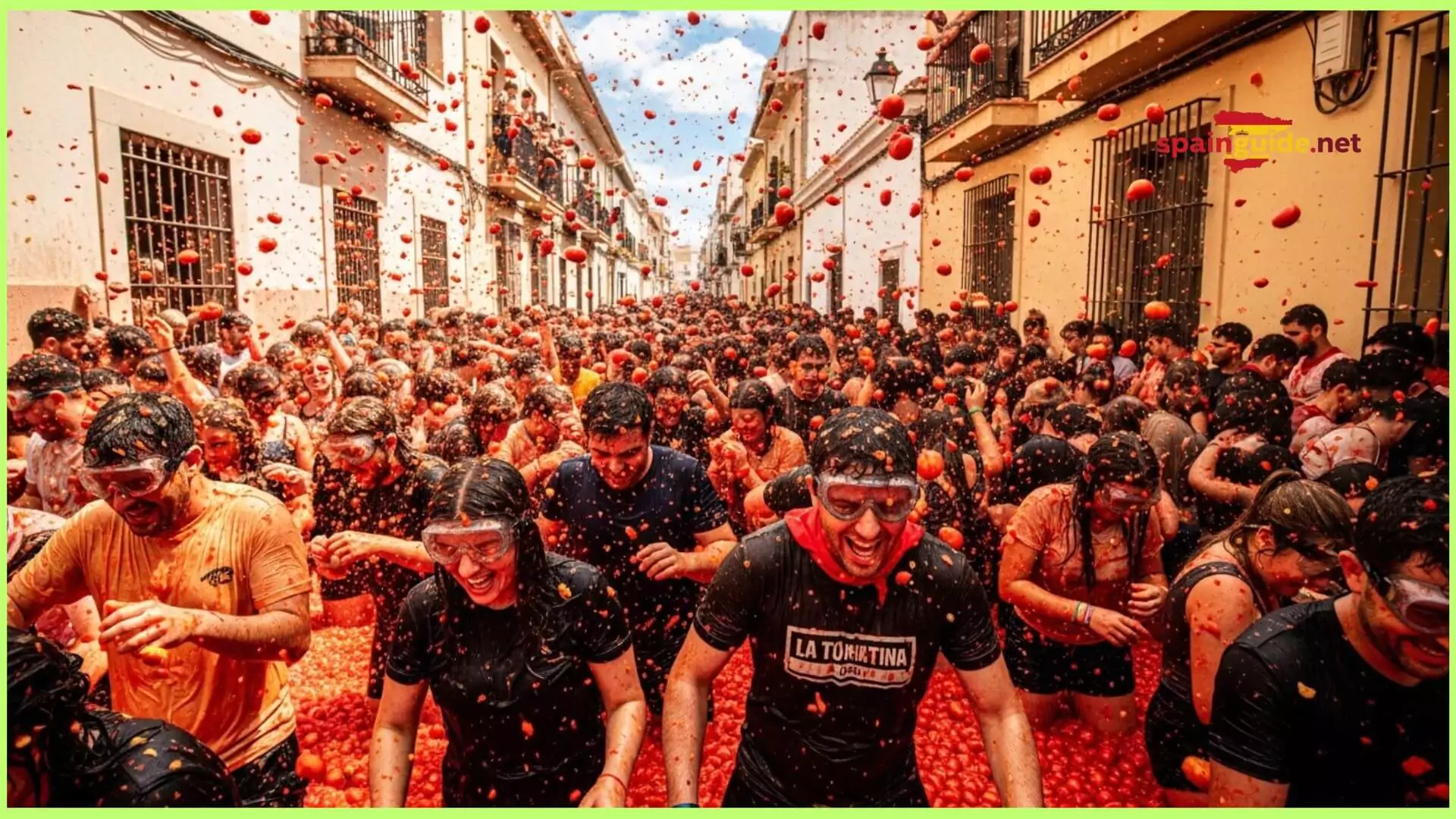
Spain’s festival scene isn’t just about having a good time; it’s about diving headfirst into centuries-old traditions that’ll leave you covered in tomatoes, dodging massive sculptures, or dancing until sunrise. From wild tomato fights to bull runs that’ll get your heart pumping, Spain throws parties like nowhere else on Earth.
Whether you’re into religious processions, harvest celebrations, or just want to see locals lose their minds with joy, there’s a fiesta with your name on it. And the best part? I’ve got the inside scoop on exactly where to crash after all that celebrating.
Planning Your Festival Trip
Timing is everything when it comes to Spanish festivals. Most happen during warmer months (March through October), but winter has its gems too. Book your accommodation at least three months ahead—locals aren’t kidding when they say entire cities get booked solid.
Pack comfortable shoes (trust me on this), layers for unpredictable weather, and maybe some clothes you don’t mind getting messy. Oh, and bring your sense of humor—you’ll need it when things get wonderfully chaotic.
La Tomatina – Buñol, Valencia (Last Wednesday in August)
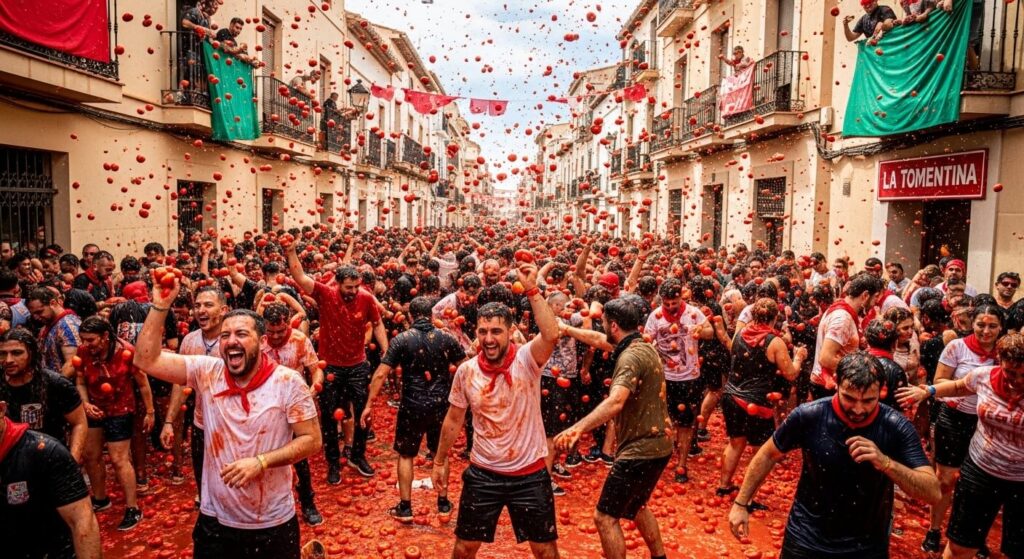
Imagine 20,000 people hurling overripe tomatoes at each other for exactly one hour. That’s La Tomatina, and it’s as gloriously messy as it sounds. The whole thing started from a food fight between friends in 1945, and now it’s the world’s biggest tomato battle.
Where to Stay: Valencia city (45 minutes by train) gives you better hotel options and restaurant choices. But if you want the full experience, tiny Buñol has a few guesthouses where you can stumble home covered in tomato pulp like a true warrior.
Las Fallas – Valencia (March 12-19)
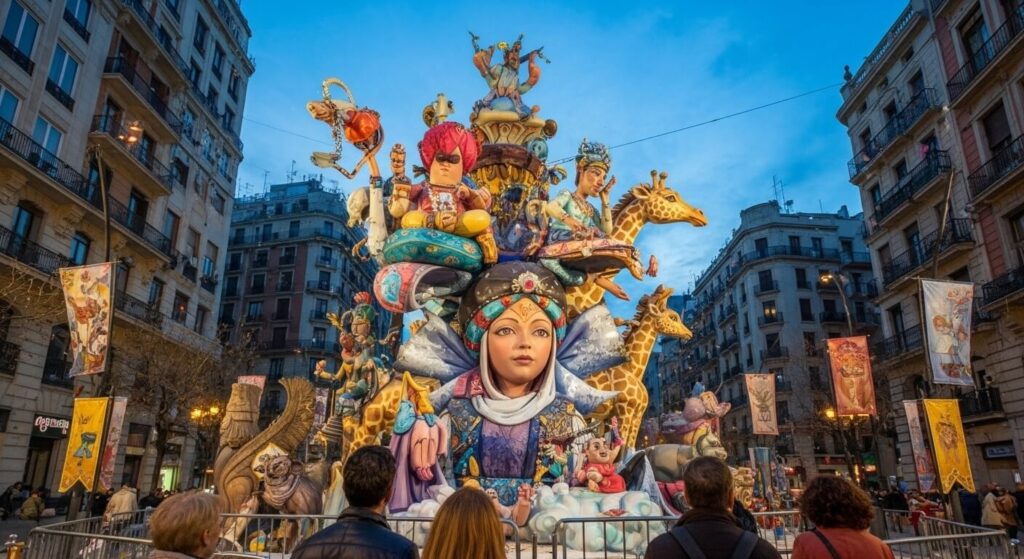
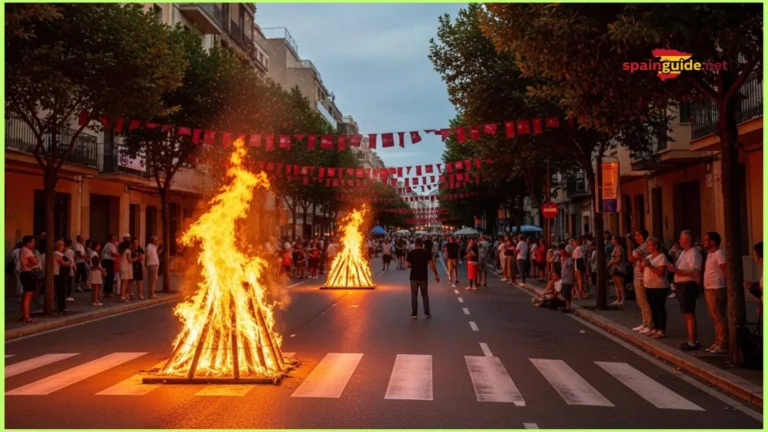
Valencia basically turns into an outdoor art gallery meets fireworks show during Las Fallas. Massive sculptures (called fallas) pop up on every street corner, only to be burned in spectacular fashion on the final night. It’s like Burning Man, but with more paella and less desert.
The noise is incredible—daily firecracker displays that’ll make you jump out of your skin. But the artistry is breathtaking.
Where to Stay: Ciutat Vella puts you right in the action, while Ruzafa offers a hipper vibe with great bars. Book early—this is Valencia’s biggest party of the year.
Feria de Abril – Seville (Two weeks after Easter)
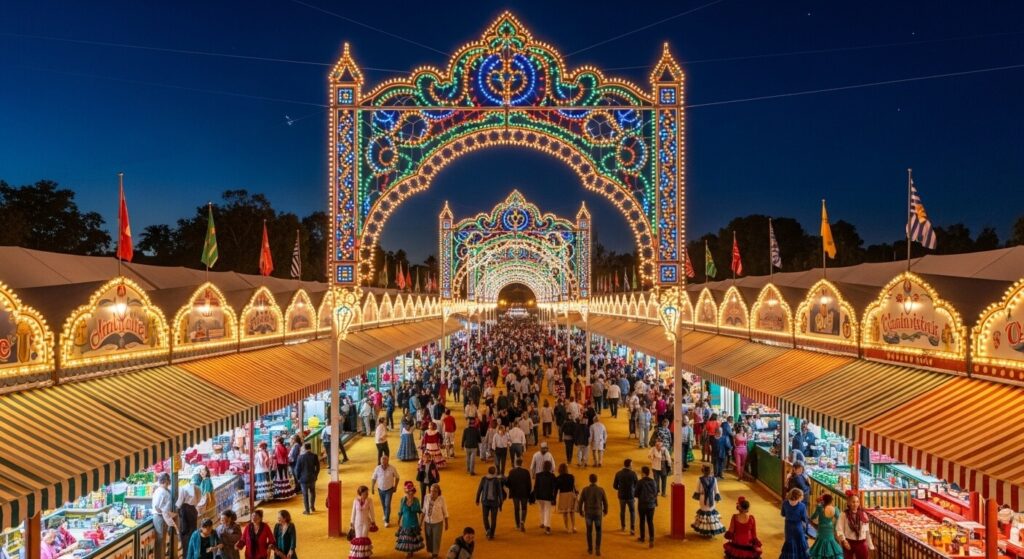
Seville’s April Fair is pure Andalusian magic. Ladies in flamenco dresses, horses prancing through the streets, and casetas (private party tents) where the sherry flows freely. It’s like stepping into a postcard, except the music’s louder and everyone’s having way more fun.
Don’t worry if you don’t know how to dance flamenco—after a few drinks, you’ll think you’re a natural.
Where to Stay: The Triana district gives you the most authentic experience, while Santa Cruz is gorgeous but touristy. Both are within walking distance of the fairgrounds.
San Fermín – Pamplona (July 6-14)
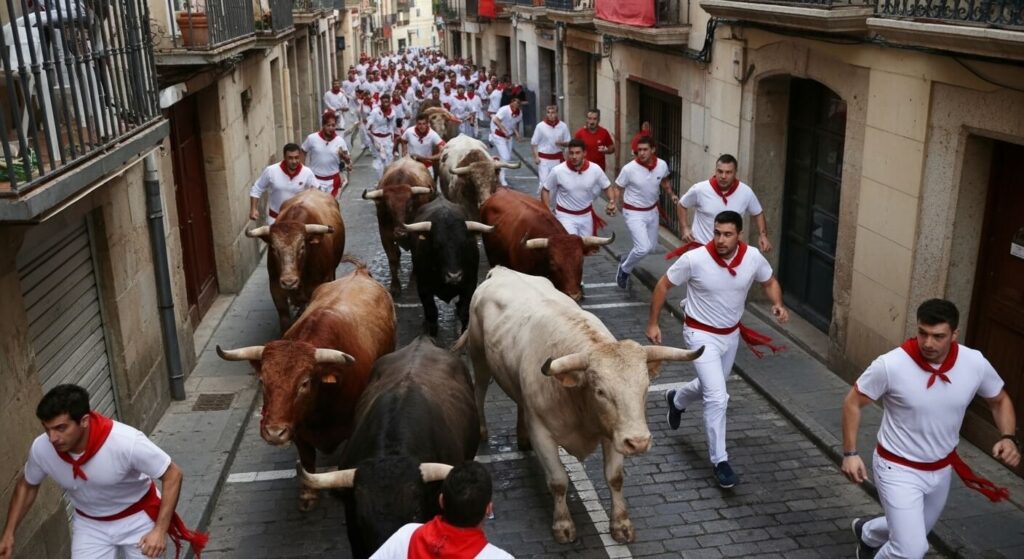
Yes, it’s the Running of the Bulls, and yes, it’s exactly as intense as Hemingway made it sound. But San Fermín is way more than just dodging half-ton animals—it’s non-stop street parties, incredible food, and a city-wide celebration that doesn’t sleep for a week.
Safety tip: If you’re thinking about running, please know what you’re doing. Watch a few runs first, and maybe stick to cheering from the sidelines with a cold beer.
Where to Stay: The Old Town gets you closest to the action, but expect zero sleep. Quieter neighborhoods like Rochapea let you actually rest between parties.
Semana Santa – Across Spain (Week before Easter)
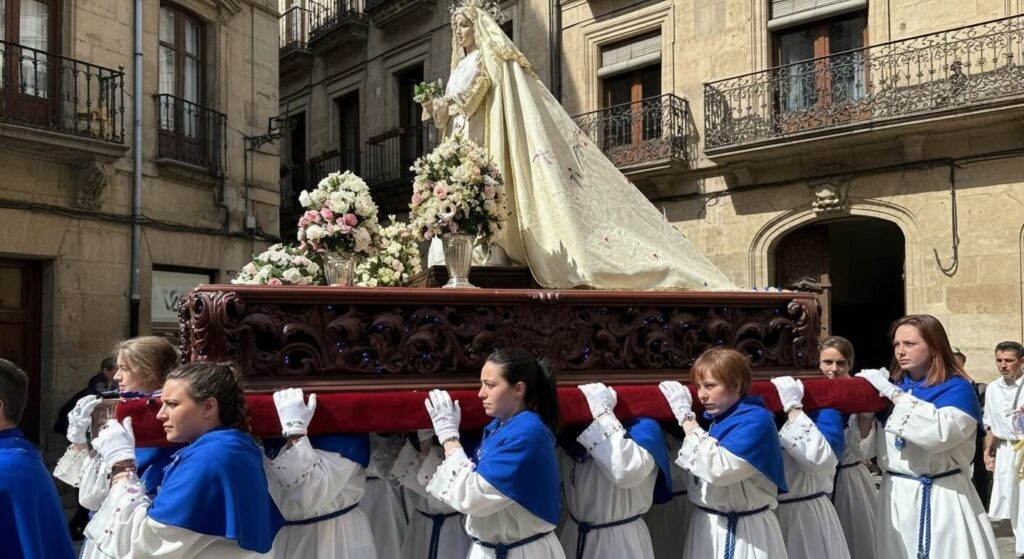
Spain’s Holy Week processions are hauntingly beautiful. Elaborate floats carried by hooded penitents wind through cobblestone streets while crowds watch in respectful silence. It sounds somber, but there’s incredible artistry and emotion here.
Seville and Málaga host the most famous processions, but smaller towns often have more intimate, moving celebrations.
Where to Stay: In Seville, anywhere in the historic center works. For Málaga, the old town puts you right along the procession routes.
Carnival – Tenerife & Cádiz (February/March)
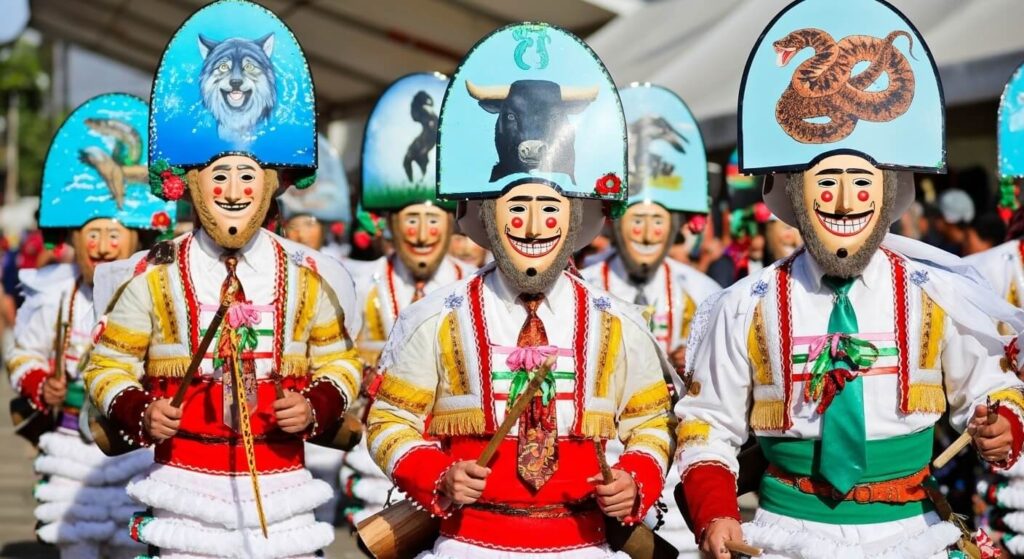
Spanish Carnival makes Rio look tame. Tenerife goes full-on spectacular with massive parades and elaborate costumes, while Cádiz focuses on wit, satire, and singing competitions that roast everything from politics to your neighbor’s cooking.
Where to Stay: Santa Cruz in Tenerife for the main action, or Cádiz’s city center, where you can stumble between different carnival groups all night long.
La Mercè – Barcelona (Around September 24)
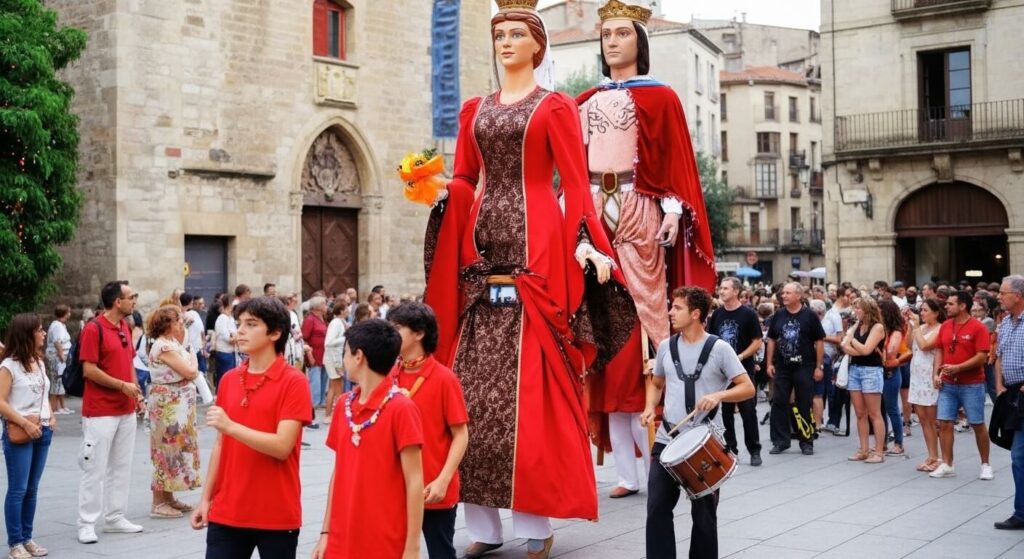
Barcelona’s biggest street party features human towers (seriously—people climbing on people), fire-breathing dragons, and concerts that turn the whole city into one massive venue. Plus, it’s free, which your wallet will appreciate after all those festival beers.
Where to Stay: The Gothic Quarter puts you in the medieval heart of things, while Eixample offers better hotels and easier metro access.
Wine Harvest Festivals – Rioja & Jerez (September/October)
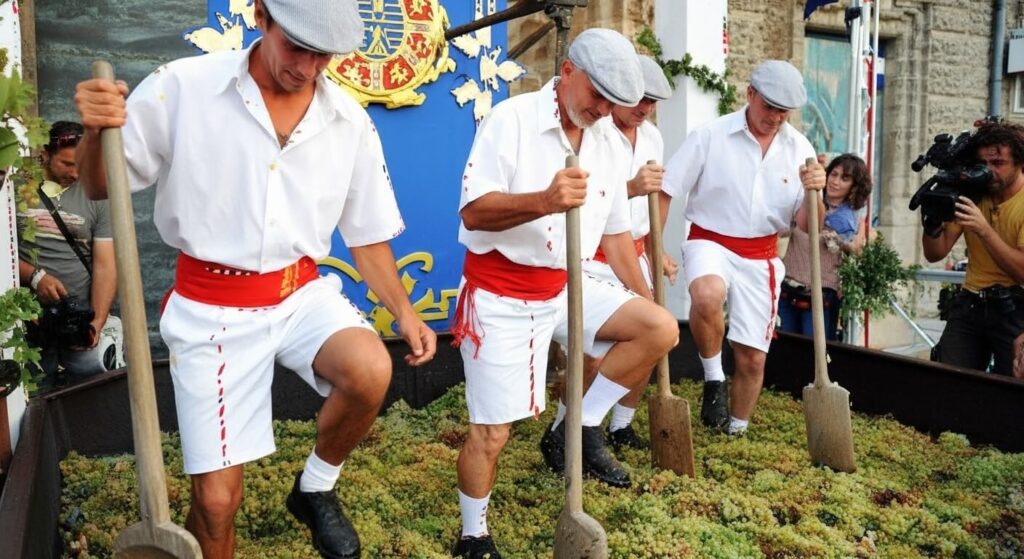
Grape stomping isn’t just a movie cliche—it’s a real thing, and you can totally do it. Rioja’s harvest festivals combine wine tastings with traditional dancing, while Jerez focuses on sherry (which is way more complex and delicious than you think).
Where to Stay: Haro in Rioja is small but charming, while Jerez de la Frontera has more accommodation options and incredible tapas.
Budget & Travel Tips
Book early or pay double—festival prices are no joke. High-speed trains connect major cities, but rent a car for smaller festivals. Always carry cash (some vendors don’t take cards), and learn a few Spanish phrases—locals appreciate the effort, especially when you’re asking for directions to the nearest bathroom at 3 AM.
Respect local customs, especially during religious events. And remember—if you’re not getting a little lost or overwhelmed, you’re probably not doing it right.
Festival Itineraries
One-Week Spring Sampler: Hit Las Fallas in Valencia, then train down to Seville for Semana Santa or Feria de Abril if timing works.
Epic Month-Long Tour: Start with Carnival in February, move to Las Fallas in March, Feria de Abril, then north to Pamplona for San Fermín. You’ll be exhausted but with stories for life.
Ready for the Festival?
Spain’s festivals aren’t just events—they’re full-contact cultural experiences that’ll leave you with tomato stains, dancing feet, and memories that last forever. Each one offers a different slice of Spanish soul, from the organized chaos of La Tomatina to the elegant traditions of Semana Santa.
Pick one that speaks to you, book that accommodation early, and prepare for the kind of authentic Spanish adventure that no guidebook can fully capture.
Which festival tops your bucket list? Comment below and let me know what kind of Spanish chaos you’re ready to embrace!