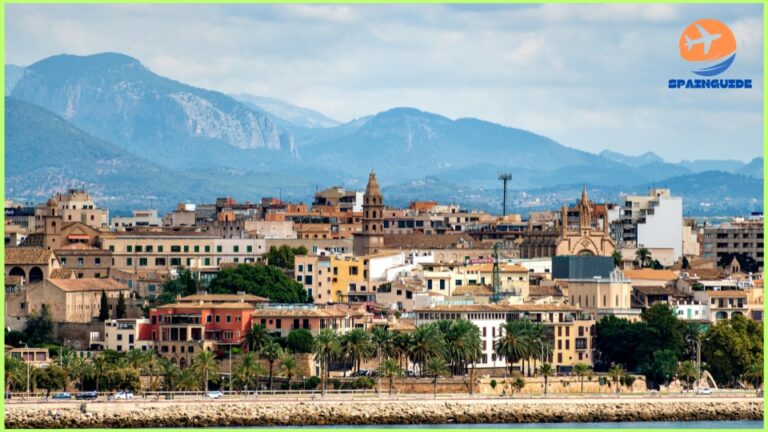

So you’ve probably heard a ton about Barcelona and maybe Valencia, but let me tell you about Tarragona – it’s honestly one of Spain’s best-kept secrets. This coastal gem sits on the Costa Daurada (literally “Golden Coast”), and it’s got something most big cities don’t: incredible Roman ruins right by the beach, way fewer tourists, and that authentic Mediterranean vibe you’re looking for.
What makes Tarragona different? Well, imagine exploring a 2,000-year-old amphitheater where gladiators once fought, then heading down to the beach for a swim, 10 minutes later. Plus, the whole old town is a UNESCO World Heritage site, but it doesn’t feel like a museum – real people actually live there. It’s basically Barcelona’s chill, more authentic cousin.
Where Is Tarragona and How to Get There
Tarragona is in Catalonia, about an hour south of Barcelona along the gorgeous Costa Daurada. Getting there’s super easy, which is why it makes a perfect day trip or weekend getaway.
The closest airport is actually Reus (only 13 km away), and buses run from there to Tarragona every 30 minutes for just €2-4 – the trip takes about 20 minutes. If you’re flying into Barcelona airport, you can hop on a train from Barcelona Sants station, and you’ll be in Tarragona in about an hour.
As for the best time to visit? May through October is ideal. Summer (July-August) gets hot but is perfect for beach days, with temps hitting 30°C. Personally, I’d go for May, June, or September – still warm enough for swimming (18-25°C sea temp), but without the peak summer crowds. If you wanna experience the famous calçotada (more on that tasty tradition later!), plan for January to March.
Language and Local Culture
Here’s the deal: people in Tarragona speak both Catalan and Spanish. Don’t stress too much about it, though – most folks in the tourism industry speak some English. That said, throwing out a “Bon dia” (good morning in Catalan) or “Hola” will definitely earn you smiles.
A few quick phrases to remember: “Gràcies” (thanks), “Si us plau” (please), and “Adéu” (goodbye). Even if you butcher the pronunciation, locals appreciate the effort.
Culture-wise, respect the siesta! Many shops close between 2-5 PM, so plan accordingly. And if you’re visiting in September, you’re in for a treat – the Santa Tecla Festival (Sept 19-24) is huge here. You’ll see castells, which are these insane human towers where people literally climb on each other’s shoulders to build towers up to 10 meters high. It’s wild and totally worth seeing if you’re around.
Currency, Costs, and Payment Tips
Tarragona uses the euro (€), obviously, since it’s in Spain. The good news? It’s way more affordable than Barcelona. You can expect to spend around €50-80 per day if you’re being reasonable – that includes meals, attractions, and some drinks.
Credit cards work pretty much everywhere, and ATMs are all over the city center and old town. As for tipping, it’s not mandatory like in the US, but rounding up or leaving 5-10% at restaurants if the service was good is appreciated. At tapas bars, just leaving the small change is totally fine.
Must-See Attractions in Tarragona
Alright, here’s where Tarragona really shines. The Roman stuff here is seriously impressive.
Tarragona Amphitheatre – This is the star of the show. Built in the 2nd century AD, it could hold 15,000 people back in the day for gladiator fights. The best part? It’s right on the coast with Mediterranean views that’ll make your Instagram followers jealous.
Tarragona Cathedral – Sitting in the heart of the old town (Part Alta), this Gothic beauty dominates the skyline. It’s a mix of Romanesque and Gothic styles, and the cloister is gorgeous.
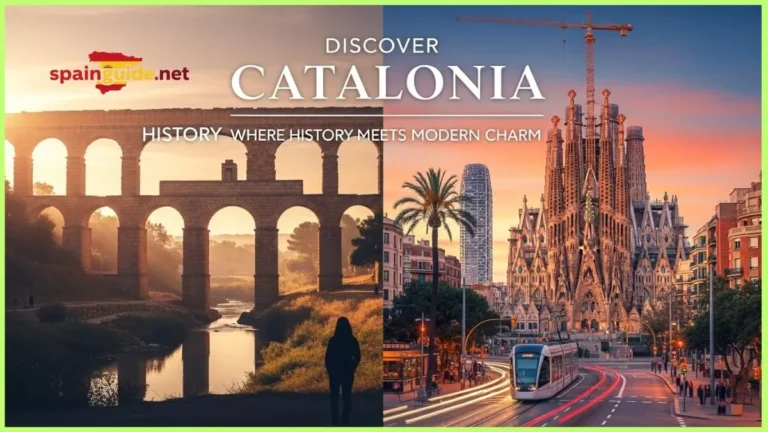
Pont del Diable (Devil’s Bridge) – This Roman aqueduct is about 3.6 km outside the city center and stands 27 meters tall. It’s a bit of a trek, but totally worth it if you’re into ancient engineering.
Old Town (Part Alta) – Just wander these medieval streets and get lost for a bit. You’ll stumble upon hidden plazas, cute shops, and some of the Roman walls that still surround parts of the city.
Mediterranean Balcony (Balcó del Mediterrani) – This viewpoint offers panoramic sea views and is perfect for sunset photos. Locals hang out here, so it’s a great people-watching spot too.
National Archaeological Museum – If you’re a history nerd, don’t skip this. It’s got mosaics, sculptures, and artifacts from Roman Tarraco.
Beaches and Outdoor Activities
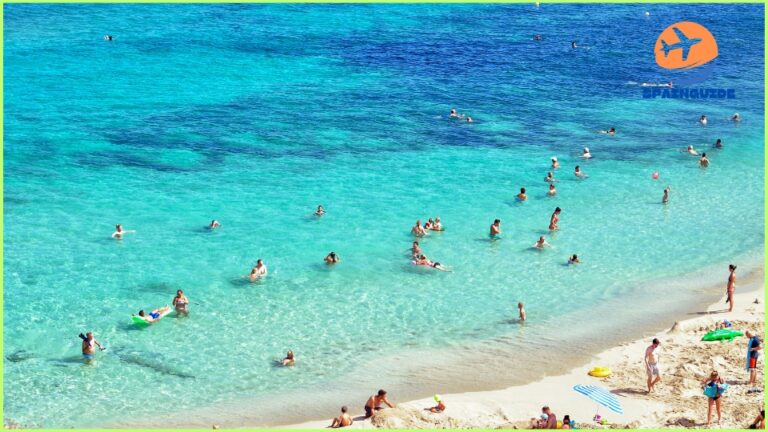
Tarragona’s beaches are “glossy gold” and way less crowded than Barcelona’s.
Playa del Miracle is the closest to the old town and super convenient. Playa L’Arrabassada and Playa Savinosa are a bit quieter if you want more chill beach time. The water’s clean, and you can do paddleboarding, kayaking, or just lounge around.
The port area and El Serrallo District (the fishermen’s quarter) have a newly done promenade that’s perfect for sunset walks. You can watch fancy yachts and check out some of the best seafood spots in town.
Local Cuisine and Dining Tips
Oh man, the food scene here is seriously underrated.
Calçots with romesco sauce – This is THE dish to try if you’re visiting in winter (Jan-March). Calçots are sweet green onions that get charred over an open flame, and you dip them in romesco sauce (made with nuts and red peppers). The whole experience is called a calçotada and it’s messy but so fun – they even give you bibs!
Fideuà – Think paella’s cousin, but made with short, thin noodles instead of rice. It’s loaded with seafood and cooked in this amazing broth. Locals order this over paella, so you should too.
Seafood paella – Still a must-try, especially in the El Serrallo district, where the fish is super fresh.
Best spots to eat? Head to El Serrallo for authentic seafood restaurants, or hit up Mercat Central for a more casual vibe with local flavors. And pair everything with wine from the region – they’ve got several DO (Designation of Origin) wines like Priorat and Montsant.
Quick heads up: lunch is typically 2-4 PM, and dinner doesn’t start until 9 PM or later. Yeah, Spaniards eat late!
Accommodation: Where to Stay
You’ve got options depending on your vibe and budget.
Old Town (Part Alta) – Stay here if you want that medieval charm and to be walking distance from all the Roman sites. It’s atmospheric but can be a bit hilly.
Near the beach – Perfect if you want easy beach access and a more relaxed feel. The Playa del Miracle area has lots of options.
City center/Rambla Nova area – Good middle ground with shops, cafes, and access to everything.
Budget-wise, you can find decent guesthouses and Airbnbs from €40-60/night, mid-range hotels for €70-120, and if you’re splurging, there are some nice luxury spots too. Just book ahead if you’re coming during the Santa Tecla festival in September.
Safety and Practical Information
Good news – Tarragona’s really safe, with low crime rates. Just use common sense: watch your stuff in crowded areas and during festivals.
For emergencies, dial 112 (works for police, ambulance, everything). The weather’s generally mild, but bring sunscreen and a hat in summer, and a light jacket for evenings, even in warm months.
The city’s pretty walkable, though the old town has some steep bits. Most major attractions have decent accessibility, but cobblestone streets can be tricky for wheelchairs.
Day Trips from Tarragona
If you’ve got extra time, there’s some cool stuff nearby.
Reus – About 15 minutes away, this is where Gaudí was born. The architecture fans will dig it.
PortAventura World – One of Europe’s biggest theme parks is super close if you’re traveling with kids (or just love roller coasters).
Sitges – Cute beach town north of Tarragona, known for its artsy vibe and LGBTQ+ friendly scene.
Ebro Delta Natural Park – Nature lovers, this one’s for you – tons of bird species and unique landscapes.
Travel Tips and Local Insights
Here’s the insider stuff: mornings are best for exploring the Roman sites before it gets too hot and crowded. The amphitheater at sunset is magical, though.
Respect the siesta culture – seriously, from 2-5 PM, expect many smaller shops to be closed. Use that time for a long lunch or a beach break.
Getting around is easy – the old town’s totally walkable, and local buses cover the rest. Taxis are affordable if you need them.
Tourist trap alert: Avoid restaurants right on the main drag that have menus in 10 languages with photos. Instead, ask locals or wander into El Serrallo for authentic spots.
Honestly, Tarragona deserves way more love than it gets. You’ve got world-class Roman ruins, beautiful beaches, amazing food, and none of the crazy tourist crowds of Barcelona. Whether you’re coming for a quick day trip or spending a few days, you’ll get that authentic Mediterranean experience without feeling like you’re in a theme park.