
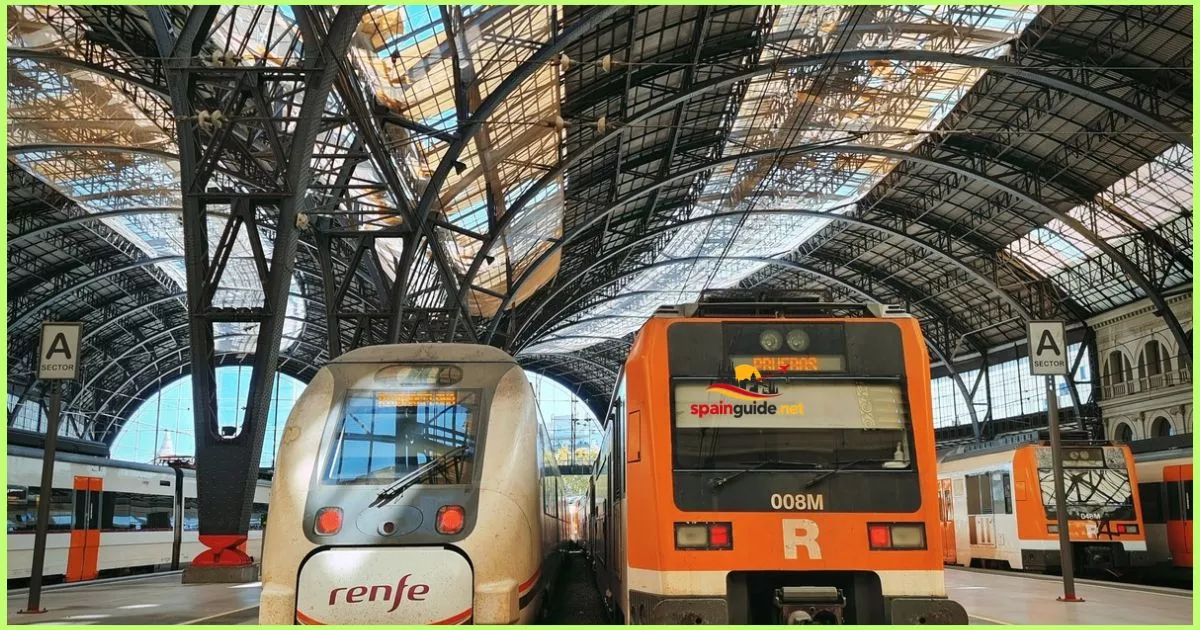
If you’re in Madrid and planning a trip to Barcelona, taking the train is one of the easiest and most comfortable ways to get there. High-speed trains connect the two cities in around two and a half to three and a half hours, depending on the service you choose. You can leave from central Madrid and arrive in Barcelona with easy access to the metro, without the extra time and hassle of travelling to an airport.
In this guide, you’ll find everything you need to plan your journey, from travel times and train stations to ticket prices, train companies, and tips for finding cheaper fares. We’ll also look at a few things to do when you arrive and five hotels worth considering for your stay. Before booking, check the latest schedules and prices on the official websites of Renfe, Iryo, and OUIGO, as fares and journey times can vary depending on your travel date.
Is It Easy to Visit Barcelona from Madrid by Train?
The Madrid to Barcelona line is one of the busiest rail routes in Spain, with trains running throughout the day from early morning until the evening. Most people find it far more relaxing than flying, and the reasons are simple.
Why choose the train instead of flying?
On paper, a flight is shorter, but once you add the trip to the airport, check-in, security, boarding and the ride back into the city at the other end, the total time is often similar to the train. The train takes you from city centre to city centre. You arrive at the station about fifteen or twenty minutes before departure, sit down, and watch the Spanish countryside go by. There is usually more legroom, easier luggage rules, and no liquids restrictions to worry about.
How far is Barcelona from Madrid?
The two cities are around 620 kilometres apart by road, and the rail route is of a similar length. High-speed trains cover that distance at speeds that can exceed 300 kilometres an hour, which is why the journey is so quick.
Is a day trip from Madrid to Barcelona worth it?
It can be done, since early trains and late trains make a same-day return possible. But you would spend five to seven hours of your day on trains, which leaves little time to see anything properly. If you can, stay at least one night. Two or three nights is much better, because Barcelona has a lot to see and it is a city that rewards slow walking.
How Long Is the Train from Madrid to Barcelona?
The journey time depends on which train you choose and how many stops it makes.
Fastest direct train journey
The quickest direct services take roughly two and a half hours. These are usually the faster Renfe AVE trains and some Iryo services. They run with very few stops, or none at all, between the two cities.
Average travel time
Most direct high-speed trains take somewhere between two hours forty minutes and three hours. Services with extra stops, for example at Zaragoza or Lleida, can take closer to three and a half hours. Low-cost operators sometimes have slightly longer times too, so do not assume that every train takes the same amount of time. Look at the arrival time on the ticket before you pay.
First and last train considerations
The first trains of the day leave early in the morning, and the last ones leave in the evening. If you are planning to arrive for a hotel check-in or a dinner reservation, build in some extra time in case of delays. If you are travelling back to Madrid on the same day, check the last departure from Barcelona in advance so you are not caught out.
Where Do Trains Leave from in Madrid?
Madrid has two main long-distance stations, and it matters which one your ticket is for.
Madrid-Puerta de Atocha station
Atocha is the station used by most Madrid to Barcelona services. It is close to the Retiro Park and the Prado Museum, and it has its own metro and commuter rail connections. The old station building even has a small tropical garden inside, which is a nice place to wait if you arrive early. High-speed trains leave from the modern part of the station, and you will go through a security scan before reaching the platforms.
Madrid-Chamartín station: check your ticket
Chamartín is in the north of the city and is used by some trains, mainly on other routes. Some services to Barcelona can use it, so always read your ticket carefully. Going to the wrong station is a very common mistake, and it is easy to avoid by checking the departure station name in your booking confirmation.
How early should you arrive?
For high-speed trains, aim to be at the station around 30 minutes before departure. Security checks are quick,k but there can be queues at busy times, and the platform usually closes a few minutes before the train leaves. If you are not sure where to go, look for your train number on the departure screens.
Arriving at Barcelona Sants Station
Most trains from Madrid arrive at Barcelona Sants, the city’s main railway station. It is well connected and very easy to use.
How to get from Barcelona Sants to the city centre
The simplest option is the metro. Sants Estació is on metro lines 3 and 5, and from there you can reach the centre in around fifteen minutes. Line 3 goes toward Plaça de Catalunya and the Gothic Quarter, and line 5 connects to the Sagrada Família. Suburban trains also run from the station to other parts of the city.
Metro, taxi and bus options
Taxis wait outside the station, and a ride to most central hotels is short, though the fare depends on traffic and distance. If you have heavy bags or are travelling as a group, a taxi can be worth the cost. Buses also stop nearby, but for most visitors the metro is faster and cheaper.
Where to leave luggage
If your hotel room is not ready when you arrive, ask the reception to keep your bags. Most hotels offer this free or for a small fee, but policies differ, so check before you travel. Left luggage lockers are also available at and around the station.
Which Train Company Should You Choose?
Three main companies run high-speed trains between Madrid and Barcelona. Each has its own style, so it is worth comparing before you buy.
Renfe AVE and Avlo
Renfe is the national railway company. Its AVE trains are the classic high-speed option, with comfortable seats, a cafe on board, rd and reasonable luggage allowances. Renfe also runs Avlo, a cheaper brand with simpler fares and fewer extras. Avlo is a good pick if you are travelling light and want a lower price.
iryo high-speed train
Iryo is a private operator that started running in 2022. Its trains are modern and bright, and it offers several fare levels, from basic seats to more comfortable options with extras. Prices can be competitive, especially when you book ahead.
OUIGO low-cost trains
OUIGO is the low-cost brand of the French railway group SNCF. It keeps prices low by charging separately for things like larger bags, seat selection, and some on-board services. Read the luggage rules carefully, because the cheapest fare usually includes only a small bag.
Which operator is best for your budget?
There is no single answer. The best choice is the one with a good departure time, a fair price, and luggage rules that suit you. Check all three for your date. Compare the total cost including any extras you need, and look at the ticket change and cancellation conditions too, since the cheapest fares are often the least flexible.
How Much Does the Madrid to Barcelona Train Cost?
Prices on this route change a lot. They depend on the travel date, the time of day, how full the train is, and what type of ticket you buy, so any fixed figure you read online may already be out of date. What you can say safely is that low-cost fares can be quite cheap when booked early, while last-minute tickets on popular days are much more expensive.
Cheapest train ticket options
The lowest fares usually come from Avlo, OUIGO and the basic fares on iryo. These are often non-refundable or have limited change options, so they suit people who already know their dates. Departure times in the middle of the day or on weekdays can also be cheaper than early morning or Friday and Sunday evening trains.
When to book for better fares
Tickets are normally released a few months before the travel date. Booking as soon as your plans are fixed generally gives you the widest choice and the best prices. Holiday periods, long weekends and big events in Barcelona sell out faster, so do not leave those dates to the last minute.
One-way versus return tickets
Sometimes a return ticket is cheaper than two separate singles, but not always. Try both on the operator websites. If you are unsure about your return date, buy the outward trip first and book the way back later, as long as you are not travelling at a very busy time.
Extra luggage and ticket conditions
Check the luggage allowance before you pay. Some tickets include a cabin bag and a larger suitcase, while others charge extra for anything beyond a small bag. Also check whether you can change the ticket and how much it costs, because the rules vary between fares.
What to Do in Barcelona After Arriving by Train
Even a short stay gives you time to enjoy some of the city’s highlights. Here are a few that are easy to fit in.
Visit the Sagrada Família
Gaudí’s great basilica is the first thing most visitors want to see. Book your entry time online in advance, because it is popular all year round. Allow about an hour and a half to look around the inside and the facades.
Walk through the Gothic Quarter
The narrow medieval streets around the cathedral are best explored on foot, without a fixed plan. You will find small squares, old shops and cafes on almost every corner. It is lovely in the early morning before the crowds arrive.
Explore Passeig de Gràcia and Gaudí’s architecture.
This elegant avenue has some of the city’s most famous modernist buildings, including Casa Batlló and La Pedrera. You can simply admire the facades from the street or go inside if you have the time and budget.
Enjoy tapas in El Born.
The El Born area is full of small bars and restaurants, and it is a great place for an evening of tapas and a glass of local wine. It also has the Picasso Museum and the Santa Maria del Mar church nearby.
Watch the sunset near the waterfront.
Finish the day by walking down to the seafront. The beaches at Barceloneta are busy in summer, but a stroll along the promenade at sunset is relaxing at any time of year.
Best Hotels in Barcelona
Where you stay makes a big difference on a short trip. The hotels below are all in central areas, so you can walk to many of the main sights or reach them quickly by metro. Rates change by date, so always check the current price and facilities on each hotel’s official website before booking.
Hotel Jazz:
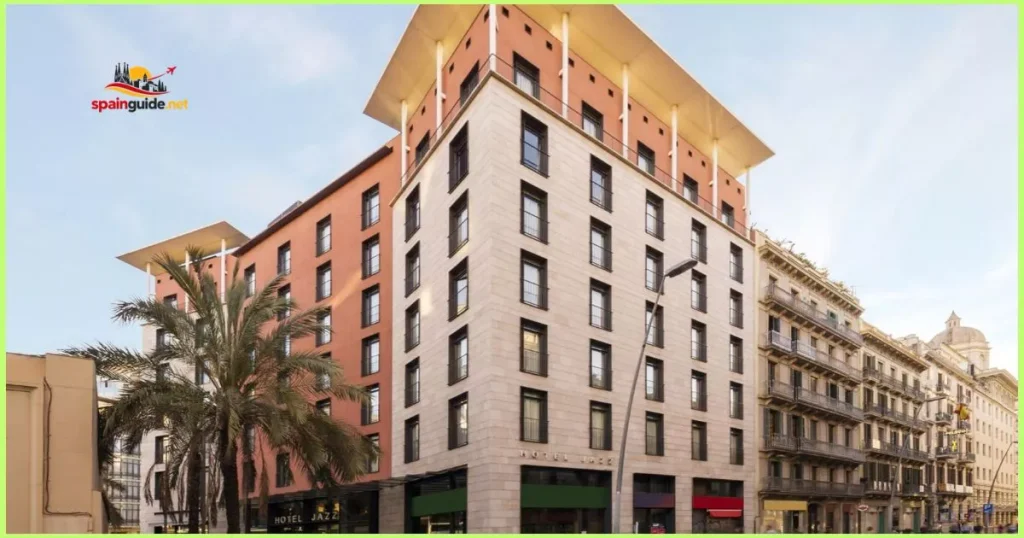
Hotel Jazz sits in the heart of Barcelona, just a short walk from Plaça de Catalunya, Las Ramblas, and plenty of shops, restaurants, and public transport links. After a day spent wandering through the city’s lively streets, you can head up to the rooftop pool and sun terrace for a quiet break above the bustle. With its central location and modern feel, it is a lovely option for couples, solo travellers, or anyone planning a short city escape.
H10 Madison:

H10 Madison is tucked away in Barcelona’s historic centre, where narrow streets and centuries-old buildings give the neighbourhood its special charm. The hotel combines stylish rooms with a rooftop terrace and plunge pool, offering lovely views towards Barcelona Cathedral. After a day spent wandering through the old town, it’s a wonderful place to unwind above the city’s busy streets. With its elegant atmosphere and central location, H10 Madison is an excellent choice for couples and travellers who enjoy a little comfort, historic surroundings, and a rooftop view to remember.
Hotel Catalonia Catedral:
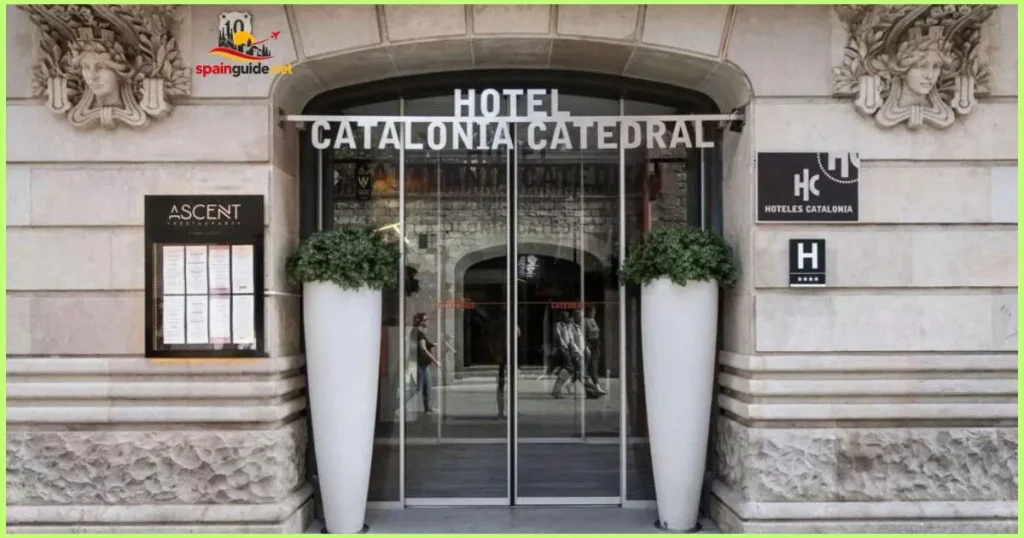
Set in Barcelona’s charming Gothic Quarter, this hotel places you just steps from the cathedral, historic squares, and popular shopping streets. Outside, the old town is full of life, with narrow lanes, little cafés, and centuries of history around every corner. Inside, you can enjoy a quieter place to unwind after a day of exploring. It’s a lovely choice for first-time visitors, history lovers, and couples who want to discover the beauty of old Barcelona on foot.
Uma House by Yurbban Trafalgar:

This modern hotel offers a refreshing mix of contemporary design and a convenient location between the Gothic Quarter and Eixample, close to the Arc de Triomf. After a day spent wandering through Barcelona’s lively streets, you can head up to the rooftop pool and relax above the city. With shops, cafés, and many of the main sights within walking distance, it’s a great choice for couples, friends, and independent travellers who enjoy exploring at their own pace. Its comfortable, modern feel also makes it a good option for a longer stay in Barcelona.
Ohla Eixample:
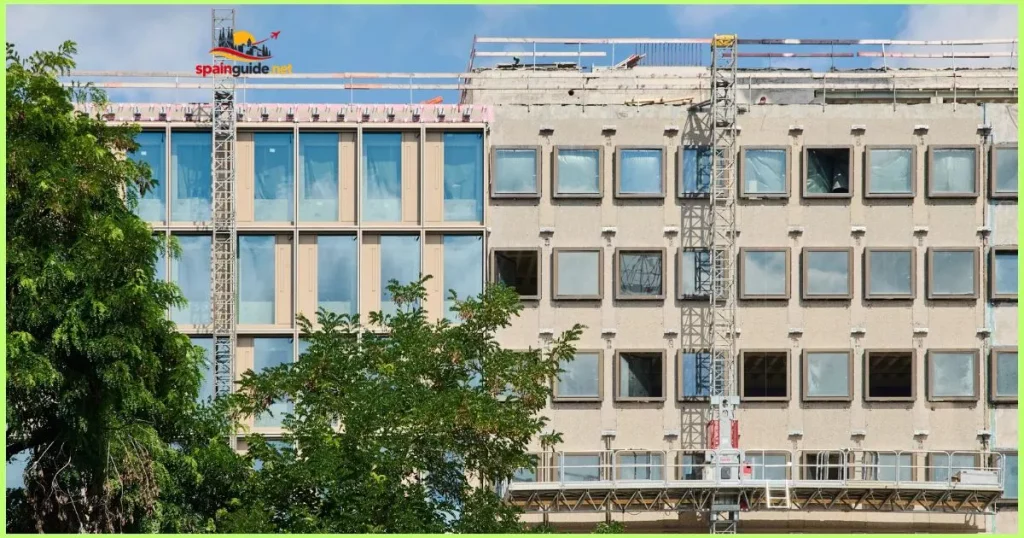
Ohla Eixample brings a touch of luxury to your stay in Barcelona, with contemporary design, elegant interiors, and a stunning rooftop infinity pool overlooking the city. Set in the stylish Eixample district, it puts you close to beautiful modernist buildings, leafy avenues, and some of Barcelona’s best restaurants. It’s a wonderful choice for couples celebrating a special occasion or travellers who appreciate thoughtful design, refined comfort, and a little extra indulgence during their time in the city.
Where to stay for easy transport connections
If you want to keep things simple, choose a hotel near Plaça de Catalunya. Metro lines, buses, the airport bus, and suburban trains all meet there, so you can get almost anywhere without changing much. Hotel Jazz is the best match on this list for that purpose.
Practical Tips for Visiting Barcelona from Madrid by Train
Once your travel dates are set, book your train tickets early to give yourself a better chance of finding a good fare. Before paying, check your departure and arrival stations carefully, and compare luggage rules, as cheaper tickets may come with extra charges. Keep your ticket on your phone or save your booking confirmation somewhere easy to find for the station gates.
It’s also worth planning how you’ll get from Barcelona Sants to your hotel before you set off. Knowing your route in advance makes arriving in a new city much less stressful, especially when you’re carrying bags. And as you move through busy stations, crowded streets, and popular tourist spots, keep an eye on your belongings. With a little preparation, you can spend less time worrying about the details and more time enjoying the journey ahead.
Frequently Asked Questions About Travelling from Madrid to Barcelona by Train
How long does the train from Madrid to Barcelona take?
Most high-speed trains take between two and three and a half hours, depending on the service you choose. The fastest direct trains get you there in around two and a half hours, leaving you with plenty of time to enjoy Barcelona.
What is the cheapest train from Madrid to Barcelona?
Avlo, OUIGO, and some Iryo fares often offer cheaper tickets, especially if you book early. Prices change depending on demand and your travel dates, so compare the different operators before choosing your ticket.
Is it better to book AVE, Iryo, or OUIGO?
Each operator has something to offer. Renfe’s AVE trains are a popular choice for comfort and convenience; Iryo offers modern trains and different fare options, while OUIGO is often a good choice for travellers looking to save money. Compare luggage allowances, seat options, and extra charges before booking.
Which station does the train arrive at in Barcelona?
Most high-speed trains arrive at Barcelona Sants, the city’s main railway station. From there, you can take the metro, a taxi, or a local train to reach your hotel and explore different parts of the city. Always check your ticket for the exact arrival station.
Can you visit Barcelona from Madrid in one day?
Yes, it is possible to visit Barcelona on a day trip from Madrid, but it can be a long day. You’ll spend several hours travelling, leaving less time to explore. Staying at least one night gives you more freedom to enjoy the city’s streets, food, and seaside atmosphere without watching the clock.
How many days should you spend in Barcelona?
Two to three days is a good starting point for discovering Barcelona’s main attractions, historic neighbourhoods, and food scene. If you prefer a slower pace, want to relax on the beach, or plan a day trip outside the city, four days will give you more room to enjoy your stay.
Where should you stay in Barcelona for the first time?
Eixample is a great choice for its wide streets, beautiful architecture, restaurants, and convenient transport links. The Gothic Quarter is another popular option, with narrow medieval lanes, historic squares, and plenty of places to eat. Both make good bases for exploring Barcelona on foot.
Travelling from Madrid to Barcelona by train is a simple way to connect two of Spain’s most exciting cities. You leave Madrid’s busy streets behind and, just a few hours later, arrive in a city where historic lanes, colourful architecture, and Mediterranean views are waiting.
Take a little time to compare tickets from Renfe, Iryo, and OUIGO, choose accommodation that suits your plans, and leave enough room in your itinerary to enjoy Barcelona at your own pace. Beyond the famous landmarks, there are small tapas bars, lively neighbourhood squares, and evening walks by the sea.
Sometimes, those unhurried moments become the best part of the journey. And with the train making the trip so straightforward, you can spend less time worrying about the journey and more time enjoying the places that make Spain special.


