Spain is a country best explored with curious eyes. Behind the doors of its grand museums, you find royal masterpieces, ancient Roman treasures, bold modern paintings, and stories that have travelled across centuries. In Madrid, the works of Velázquez and Goya bring the past to life. In Barcelona, Picasso and Miró show new ways of seeing the world. Further south, Granada keeps the beauty of Al-Andalus alive, while Bilbao celebrates the daring spirit of modern art.
If you are planning a cultural trip in 2027, the best museums in Spain offer far more than rooms full of paintings. They are places to understand the country’s history, see how its identity has changed, and stumble upon inspiration you did not plan for. This guide covers 15 remarkable museums, with practical advice to help you choose the ones that suit your trip.
Here is what you will find in this guide:
- The best museums in Madrid, Barcelona, southern Spain and beyond
- A quick table to match museums to your interests
- Family tips and free entry options
- Practical advice on tickets, timing and photography
- Sample museum itineraries and where to stay
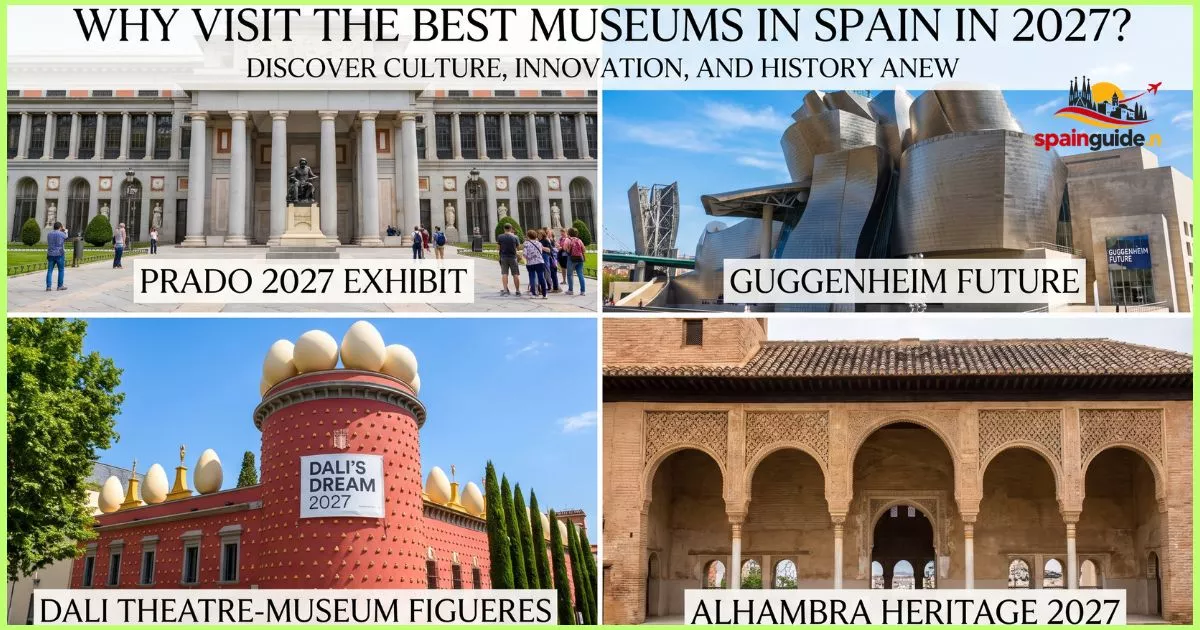
Why Visit the Best Museums in Spain in 2027?
Spain is a country where art, architecture and history come together at every turn. Its museums open a window into the past, from the lives of royal families and the work of celebrated painters to ancient civilisations and the everyday traditions that have shaped Spanish culture. Many are housed in beautiful historic buildings, where the walls and courtyards are just as fascinating as the collections inside.
One of the best things about exploring museums in Spain is the variety. You might spend the morning admiring famous paintings in Madrid, discover ancient treasures in the afternoon, and find yourself exploring a surreal world created by Salvador Dalí a few days later. Every city has its own stories to tell, and each museum offers a different way to discover them.
Even if museums are not usually at the top of your travel list, they are worth making time for. They offer a quiet escape from the summer heat, a welcome shelter on a rainy day, and a deeper understanding of the places you explore. After seeing the artworks, old photographs or archaeological remains, the streets outside often begin to tell a different story.
If you are planning a museum trip in 2027, keep in mind that opening hours, ticket prices and special exhibitions may change. Some details may also be announced closer to your visit, so check each museum’s official website before setting out. A little planning will help you spend less time worrying about arrangements and more time enjoying Spain’s remarkable cultural treasures.
The Best Museums in Madrid for Art and History
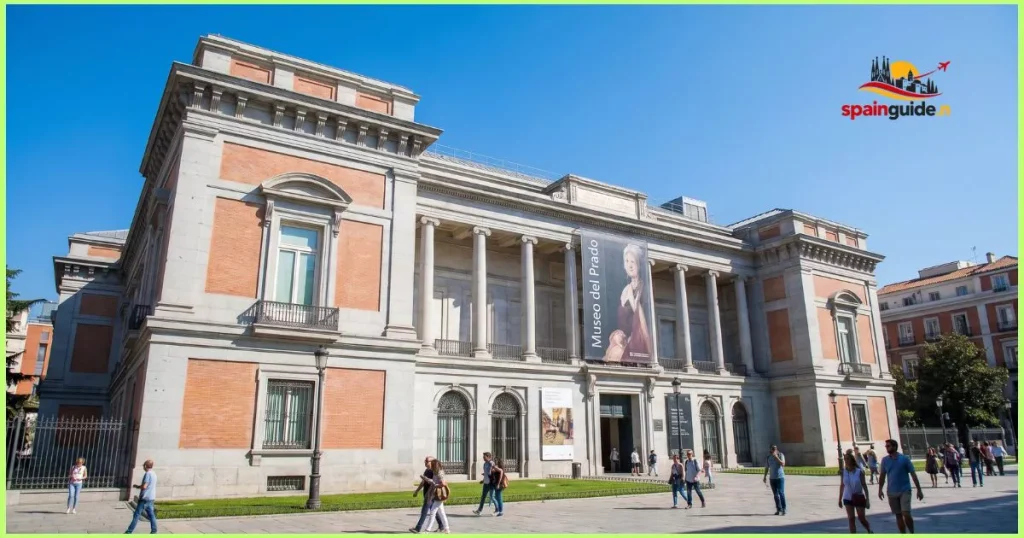
Madrid is the perfect starting point for anyone who wants to understand Spain through its art. Its galleries bring together centuries of creativity, from royal masterpieces to bold modern works. Three of them sit along the same stretch of the city and are often called the Golden Triangle of Art.
1. Museo del Prado:
Location: Madrid. Best for classical painting, Spanish masters, and European art.
The Prado is the museum that most visitors put at the top of their list, and it earns the place. Its collection holds some of the greatest works by Velázquez, Goya, and El Greco, along with outstanding paintings by Titian, Rubens, and Hieronymus Bosch. Velázquez’s Las Meninas and Goya’s dark, powerful late paintings are the two things many people come specifically to see.
The museum is vast, with so much to discover that trying to see everything in one visit can feel overwhelming. Instead, choose a few artworks that interest you most and take your time with them. Allow at least two to three hours for your visit, or longer if you love art and enjoy exploring each room at your own pace.
Booking a timed ticket online can help you avoid long queues and make the most of your day. At the time of writing, standard admission costs around 15 euros, with free entry to the permanent collection during the final two hours of the day. These hours are from 6 pm to 8 pm, Monday to Saturday, and from 5 pm to 7 pm on Sundays and public holidays. Temporary exhibitions are generally offered at half price during these periods. Keep in mind that free admission attracts large crowds, so be prepared for queues and busier galleries.
Official visitor information is on the Museo del Prado website.
2. Museo Reina Sofía:
Location: Madrid. Best for twentieth-century art.
The Reina Sofía is best known for Pablo Picasso’s Guernica, the huge black, white, and grey painting made in response to the bombing of the Basque town of Gernika in 1937. Standing in front of it, with its twisted figures and sense of grief, is one of those experiences that stays with you long after the trip. The museum also holds important works by Salvador Dalí and Joan Miró, which makes it a great place to understand how Spanish artists shaped modern art.
The building adds to the experience. It is a former hospital, now combined with a modern extension by Jean Nouvel, and the glass lifts on the outside of the old building are a landmark in themselves. The museum also runs a changing programme of contemporary exhibitions.
Free entry is offered on Mondays and Wednesdays to Saturdays from 7 to 9 pm, and on Sunday from 12:30 to 2:30 pm, and the museum is closed on Tuesdays. These times can change, so check the official Museo Reina Sofía website for the current schedule and ticket prices.
3. Thyssen-Bornemisza National Museum:
Location: Madrid. Best for seeing many art styles in one visit.
The Thyssen fills the gaps between the Prado and the Reina Sofía. Its collection stretches from medieval European painting through the Renaissance and Baroque to Impressionism, Expressionism, and Pop Art, so you get a long view of art history under one roof. It began as a private collection, which is why it feels so wide-ranging and personal.
If you only have time for one extra museum after the Prado, the Thyssen is a good choice, since its collection is easy to follow and more compact than its neighbours. The permanent collection has been free on Monday afternoons, but check the museum’s website for the current schedule.
4. National Archaeological Museum: Discover Spain’s Ancient Civilisations
Location: Madrid. Best for history lovers and families.
This museum takes you from prehistoric Iberia through the Roman and Visigothic periods and into medieval Spain. Its most famous piece is the Lady of Elche, a carved stone bust more than two thousand years old that has become a symbol of ancient Iberian art. The museum also holds the Visigothic votive crowns of Guarrazar and a wide range of Roman mosaics and sculptures.
It is a good rainy-day option, and children often enjoy it because the objects are easy to connect with real people and daily life. State-run museums like this one often offer free entry at certain times, particularly on Saturday afternoons, so check the official website.
5. Royal Collections Gallery:
Location: Madrid. Best for royal history.
The Royal Collections Gallery is a modern museum built beside the Royal Palace that shows items from the Spanish royal collection, including paintings, tapestries, armour, silver and decorative objects. It gives a clear picture of how Spain’s monarchy collected, displayed and used art over the centuries.
It fits neatly into a day of sightseeing around the Royal Palace and the Almudena Cathedral, and it is a good way to see the royal side of Spain without the crowds that can build up at the palace itself.
The Best Museums in Barcelona
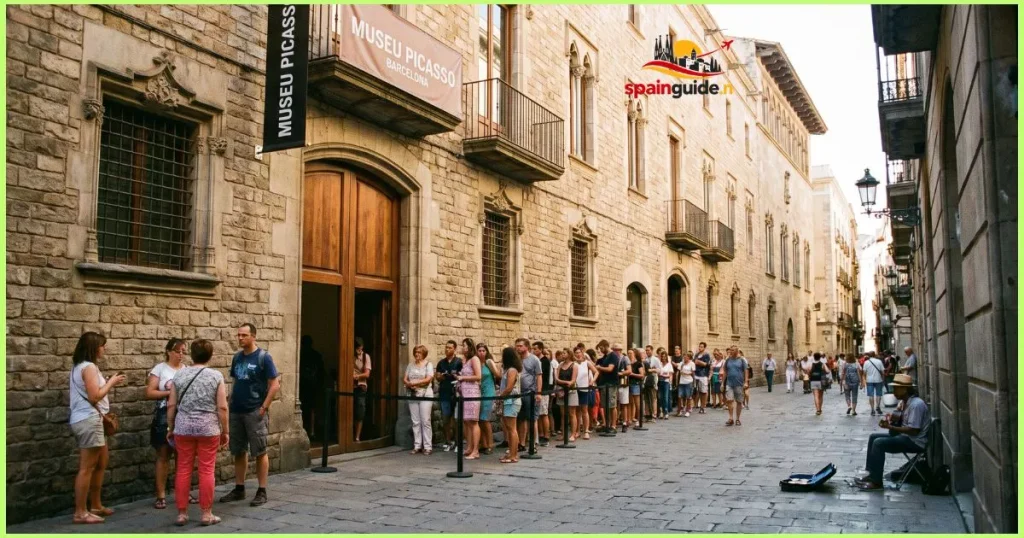
Barcelona tells a different story. Here, art moves between medieval Catalan masterpieces, modernist architecture, and the imaginative worlds of artists who changed the way people see the world.
6. Picasso Museum:
Location: El Born, Barcelona. Best for understanding Picasso’s development.
Picasso spent formative years in Barcelona as a teenager and young man, and this museum focuses on that period. It is housed in a group of medieval palaces on Carrer Montcada, which makes the building as interesting as the art. You can see his early academic paintings, which show how skilled he already was as a young artist, and then follow his path toward the experimental work he became famous for. The museum also holds his series of variations on Velázquez’s Las Meninas.
Book tickets in advance, since this is one of the most popular museums in the city. Leave some time to wander through El Born before or after your visit, as the streets around it are full of small shops, cafes, and tapas bars.
7. Fundació Joan Miró:
Location: Montjuïc, Barcelona. Best for modern art lovers.
Joan Miró’s art is playful, bright, and full of symbols, with bold colours and shapes that seem to float. This foundation was set up by the artist himself, and the collection covers his whole career, from early drawings to large paintings and sculptures. The light, airy building sits on the hill of Montjuïc, with views over the city.
Combine the visit with other places on the hill, such as the viewpoints, the gardens, and the National Art Museum of Catalonia, which makes for an easy cultural day.
8. National Art Museum of Catalonia (MNAC):
Location: Montjuïc, Barcelona. Best for Catalan art and history.
MNAC is set in the Palau Nacional, a grand building high above the city, and the views from its terrace and steps are worth the climb alone. Inside, the highlight is the collection of Romanesque murals taken from small Pyrenean churches, displayed in rooms that recreate the original apses. The museum also covers Gothic, Renaissance and Baroque art, along with modern Catalan painting.
It is especially useful for travellers who want to understand Catalonia’s cultural identity, and it makes a good partner to a visit to the Picasso Museum or the Miró Foundation.
9. Barcelona Museum of Contemporary Art (MACBA):
Location: El Raval, Barcelona. Best for modern and experimental work.
MACBA sits in a bright white building designed by Richard Meier, facing a large public square that is popular with skateboarders and students. Inside, the museum shows contemporary art through changing exhibitions, with a focus on experimental and conceptual work. It is a good choice for travellers who want something beyond traditional galleries.
The surrounding El Raval neighbourhood is lively and full of character, with plenty of cafes and small independent shops nearby.
The Best Museums in Southern Spain
Southern Spain has a rich cultural landscape shaped by Islamic art, Christian kingdoms, celebrated painters, and centuries of exchange across the Mediterranean.
10. Museum of Fine Arts of Seville:
Location: Seville. Best for Spanish Baroque painting.
This museum is housed in a former convent and is one of the best places to see the golden age of Sevillian painting. The collection features work by Murillo, Zurbarán, and Valdés Leal, whose religious scenes show the drama and emotion of Spanish Baroque art. The calm courtyards are a pleasant break from the busy streets outside.
Admission is low-cost, and sometimes free for some visitors, so check the current conditions. The museum fits nicely into a walk through Seville’s historic centre, along with the Cathedral and the Alcázar.
11. Museum of the Alhambra:
Location: Granada. Best for Islamic art and heritage.
The Museum of the Alhambra is inside the Palace of Charles V, a Renaissance building within the Alhambra complex. It is worth knowing the difference between the two. The Alhambra monument, with the Nasrid Palaces, the Alcazaba and the Generalife, needs a timed ticket that sells out quickly. The Museum of the Alhambra, on the ground floor of the palace, is separate, and entry is free.
Its seven rooms follow the story of Hispano-Muslim art in order, with ceramics, decorative objects, and architectural fragments, including a carved wooden door from the Hall of the Two Sisters. It helps explain how the Nasrid dynasty shaped the palaces you see outside. The museum is closed on Mondays and has shorter hours on Sundays and Tuesdays, so check the official Alhambra website. The upper floor of the palace holds the Museum of Fine Arts of Granada, which is free for EU citizens.
12. Museo Picasso Málaga:
Location: Málaga. Best for Picasso fans.
Picasso was born in Málaga in 1881, and the city has built a strong connection to him. The Museo Picasso Málaga is set in a beautiful Renaissance-style palace in the old town, and its collection, much of it donated by the artist’s family, gives a clear overview of his artistic development across different periods and styles.
The old town around it is easy to explore on foot. You can combine the museum with the Roman Theatre, the Alcazaba fortress, and the Cathedral, and visit the nearby house where Picasso was born for an even deeper look at his early life.
More Famous Museums in Spain Worth Visiting
These three museums sit outside the main cities above, but each one is worth a trip.
13. Guggenheim Museum Bilbao:
Location: Bilbao. Best for contemporary art and architecture together.
The Guggenheim opened in 1997, and its curving titanium shapes, designed by Frank Gehry, changed the way people think about museum buildings. It also helped reshape Bilbao’s image from an industrial port into an international cultural destination. Outside, look for Jeff Koons’s giant flower-covered puppy and Louise Bourgeois’s huge spider sculpture. Inside, the museum hosts major exhibitions of modern and contemporary art.
If you can, walk around the outside of the building along the river as well, since the views change from every angle.
14. Dalí Theatre-Museum:
Location: Figueres, Catalonia. Best for surrealism and imaginative displays.
The Dalí Theatre-Museum is less a traditional museum and more a creation by the artist himself. It sits in a former theatre that Dalí transformed into a surreal world of strange rooms, optical illusions, and unusual installations. Dalí is buried in a crypt beneath the stage. It is one of the most memorable art museums in Spain, even for people who do not usually enjoy art museums.
Figueres makes an easy day trip from Barcelona or Girona by train, with the fastest services from Barcelona taking roughly an hour. Book timed tickets in advance in summer, as it is very popular, and check the opening days, since the museum closes on some days in the low season.
15. National Museum of Roman Art:
Location: Mérida, Extremadura. Best for Roman history.
Mérida was once Augusta Emerita, one of the most important cities in Roman Hispania. The National Museum of Roman Art, in a striking brick building designed by Rafael Moneo, shows mosaics, sculptures, inscriptions and everyday objects found in and around the city.
The museum works especially well alongside the Roman Theatre, the Amphitheatre and other ancient monuments within walking distance, which together make up a UNESCO World Heritage site. Mérida is several hours from Madrid by train or car, so plan a full day or an overnight stay.
Best Museums in Spain by Interest
| If you love… | Best museums to consider |
|---|---|
| Classical masterpieces | Prado Museum, Madrid |
| Modern and contemporary art | Reina Sofía, Madrid; Guggenheim, Bilbao |
| Picasso | Reina Sofía, Madrid; Picasso Museum, Barcelona; Museo Picasso Málaga |
| Catalan art and history | MNAC, Barcelona |
| Islamic art and heritage | Museum of the Alhambra, Granada |
| Archaeology and ancient history | National Archaeological Museum, Madrid; National Museum of Roman Art, Mérida |
| Surrealism | Dalí Theatre-Museum, Figueres |
| Royal history | Royal Collections Gallery, Madrid |
| Art and architecture together | Guggenheim Museum, Bilbao |
Which Spanish Museums Are Best for Families and Children?
Interactive and Hands-On Museum Experiences
Many museums run family workshops, child-friendly exhibitions and educational activities, especially during school holidays. These programmes vary by museum and by date, so look at the education or family section of each website before you go.
Museums That Make History Easy to Understand
Archaeological and Roman collections are often the easiest for curious children, since they show real objects from real people. The National Archaeological Museum in Madrid and the National Museum of Roman Art in Mérida both work well. Dalí’s museum in Figueres is also a hit with many children, thanks to its strange and playful rooms.
Tips for Visiting Museums with Kids
Keep visits short and build in breaks, rather than trying to cover every gallery. Check age restrictions, family tickets, accessibility, and photography rules before you go, and book ahead when school holidays or major exhibitions are likely to make museums busier.
Free Museums in Spain:
Museums with Free Entry Periods
Some of Spain’s best museums offer free admission at set times or on certain days. The Prado and the Reina Sofía are the best-known examples, with free evening hours on most days, and the Museum of the Alhambra is free all year. Free periods are popular, so expect queues, and always check the official website for current conditions, since they can change.
Who Can Get Free or Reduced Admission?
Many museums offer free or reduced admission to children, students, older visitors, people with disabilities, and sometimes EU citizens. The rules vary by institution, so carry your ID and check the details in advance.
How to Plan a Budget-Friendly Museum Day
Compare individual tickets with combined passes where they exist, and plan your free slots around the museums that matter most to you. Remember that temporary exhibitions may need a separate ticket, even when the permanent collection is free.
Practical Tips for Visiting Museums in Spain in 2027
Book Tickets Online Before Your Visit
Booking is worth it for popular museums and for timed entry exhibitions. It saves time in queues and guarantees your place, especially in busy seasons.
Check Opening Hours and Closing Days
Museum schedules change, and many close one day a week, often Monday or Tuesday. Confirm opening hours, holiday closures, and special exhibition arrangements for 2027 before you plan your days.
How Much Time Should You Spend in a Museum?
Allow around one to two hours for a smaller museum and two to three hours or more for a major collection like the Prado. It is better to see fewer things properly than to rush through everything.
The Best Time of Day to Visit
Arrive early or choose a quieter period if you can. Late afternoon can also be calmer, but free entry slots tend to be the busiest times.
Photography, Bags and Accessibility
Photography rules differ, and flash is often banned. Large bags usually need to go in a cloakroom, so travel light. Most major museums offer step-free access, lifts and audio guides, but check the accessibility page of each website.
The Best Museum Itineraries in Spain
One Day in Madrid for Art Lovers
Madrid is the perfect place to begin a museum trip in Spain, especially if you love painting and classical art. Start your morning at the Prado Museum, home to masterpieces by Velázquez, Goya, and other great European artists. After lunch, head to the Thyssen-Bornemisza Museum to explore a collection that spans several centuries of art. If you still have time and energy, finish at the Reina Sofía Museum, where Picasso’s famous Guernica is one of the main highlights.
All three museums deserve more than a quick visit, so there is no need to rush. Choose two that interest you most, enjoy a coffee break between visits, and leave some time to wander through the streets of central Madrid.
One Day of Art and Culture in Barcelona
Barcelona offers a different kind of museum experience, mixing artistic history with the city’s lively streets and distinctive architecture. Begin at the Picasso Museum in El Born, where you can follow the artist’s early development and discover his connection to Barcelona. Afterwards, make your way to Montjuïc, a hill overlooking the city that is home to the National Art Museum of Catalonia and the Fundació Joan Miró.
Choose MNAC if you want to explore Catalan art and history, or visit the Joan Miró Foundation for a closer look at modern and imaginative works. In the evening, enjoy dinner in El Born or take a walk through the city as the streets begin to quiet down.
A Cultural Weekend in Southern Spain
Southern Spain is a wonderful destination for travellers who want to combine art, history and traditional Andalusian culture. Start in Seville with a visit to the Museum of Fine Arts, known for its impressive collection of Spanish paintings. From there, continue to Granada and explore the Museum of the Alhambra, which offers a closer look at the art and history of the Nasrid period.
If you have an extra day, consider adding Málaga to your itinerary. The Museo Picasso Málaga celebrates the life and work of the artist, who was born in the city. Travelling between these destinations takes time, so plan your route carefully rather than trying to fit everything into a single weekend. The journey is part of the experience, with historic streets, local food and beautiful Andalusian landscapes waiting along the way.
A Northern Spain Art Road Trip
For a memorable art-focused road trip, head north to Bilbao and visit the Guggenheim Museum, famous for its contemporary art collections and striking architecture. Continue east towards Figueres in Catalonia, where the Dalí Theatre-Museum offers a fascinating introduction to the imagination of Salvador Dalí.
These two museums are roughly 700 kilometres apart by road, so this is a journey best enjoyed over several days. You could stop in other cities along the way, explore the Basque Country, or spend time discovering the towns and landscapes of northern Spain. With a little planning, the journey becomes much more than a museum trip.
Where to Stay Near Spain’s Best Museums
Choosing the right place to stay can make a museum holiday much easier. Staying close to the main cultural attractions means less time travelling across the city and more time enjoying the collections, restaurants and neighbourhoods around them.
Best Areas to Stay in Madrid for Museum Visits
If visiting Madrid’s major art museums is your priority, look for accommodation around the Paseo del Arte, near Atocha station, or in the Barrio de las Letras. The Prado, Thyssen-Bornemisza and Reina Sofía are all within reasonable walking distance of one another, making this area particularly convenient for a museum-focused trip.
The nearby Retiro Park is also a lovely place to take a break after a morning surrounded by paintings. If you prefer a livelier atmosphere, consider staying in central Madrid with easy access to the metro, restaurants and historic streets.
Best Areas to Stay in Barcelona for Art and Culture
Barcelona has several excellent neighbourhoods for travellers interested in art and culture. El Born is a particularly good choice if you want to stay close to the Picasso Museum, while Eixample offers elegant streets, impressive architecture and convenient public transport.
If you plan to visit museums across different parts of the city, a central location with a nearby metro station can save you time. Think about the atmosphere you prefer, too. El Born feels historic and lively, while much of Eixample has wider avenues and a more relaxed urban feel.
Where to Stay in Seville, Granada and Málaga
In Seville, Granada and Málaga, the historic centres are among the most convenient places to stay for a cultural holiday. You can reach many museums and landmarks on foot, then spend your evenings enjoying local restaurants and traditional tapas bars.
In Seville, look around the historic centre for easy access to the main sights. In Granada, staying near the old town makes it easier to explore the city’s historic streets, while Málaga’s central area puts you close to the Picasso Museum, other cultural attractions and the waterfront.
Before booking, check the location of your chosen hotel and the distance to the museums you most want to visit. A convenient base can make even a short stay feel more relaxed.
Frequently Asked Questions (FAQs)
What is the most famous museum in Spain?
The Prado Museum in Madrid is widely regarded as one of Spain’s most important museums. Its collection includes celebrated works by Velázquez, Goya, El Greco, and other major European artists, making it a must-see for anyone interested in classical painting.
What are the best museums in Spain for art lovers?
Some of the best museums for art lovers include the Prado, Reina Sofía, and Thyssen-Bornemisza in Madrid, the Picasso Museum in Barcelona, and the Guggenheim Museum in Bilbao. Each offers something different, from traditional masterpieces to modern and contemporary art.
Which Spanish city has the best museums?
Madrid is an excellent choice if you want to explore several world-famous art collections in one place. Barcelona stands out for its connection to Picasso, Miró, and Catalan art, while Málaga and Bilbao offer distinctive cultural experiences of their own. The best city depends on the kind of art and history you enjoy.
Are museums in Spain free to visit?
Some museums offer free admission at specific times, while others provide discounts for eligible visitors. The rules vary from one museum to another, and special exhibitions may have separate ticket requirements. Check the official website before your visit to find the latest admission information.
How many museums should I visit during a trip to Spain?
For most travellers, one or two major museums a day is a comfortable pace. Large collections can take several hours to explore, and you will probably want time for meals, sightseeing and simply enjoying the city. It is better to appreciate a few museums properly than rush through too many.
Should I book museum tickets in advance for 2027?
Booking ahead is a sensible idea, particularly for popular museums, special exhibitions and visits with timed entry. Check the official ticketing website before travelling, as opening hours, prices and booking conditions can change.
Which museums in Spain are best for history lovers?
The National Archaeological Museum in Madrid is a great place to discover Spain’s past, from ancient civilisations to later historical periods. The Museum of the Alhambra in Granada is ideal for learning about Nasrid art and culture, while the National Museum of Roman Art in Mérida explores the city’s important Roman heritage.
What is the best museum to visit in Barcelona?
The best choice depends on your interests. The Picasso Museum focuses on Picasso’s artistic development, MNAC explores Catalan art across different periods, the Fundació Joan Miró celebrates modern art, and MACBA is a strong choice for contemporary art.
Spain’s museums offer a journey through centuries of creativity, from the grand paintings of Madrid to Picasso’s artistic beginnings in Barcelona and Dalí’s extraordinary world in Figueres. Each collection tells a different story about the people, ideas, and traditions that have shaped the country.
You do not have to see every museum to appreciate Spain’s cultural richness. Choose the places that genuinely interest you, take your time with the artworks, and leave room for the unexpected discoveries that often become the best memories of a trip.
Whether you are planning a visit in 2027 to explore ancient history, admire royal collections, or discover modern masterpieces, Spain has a museum waiting to inspire you.