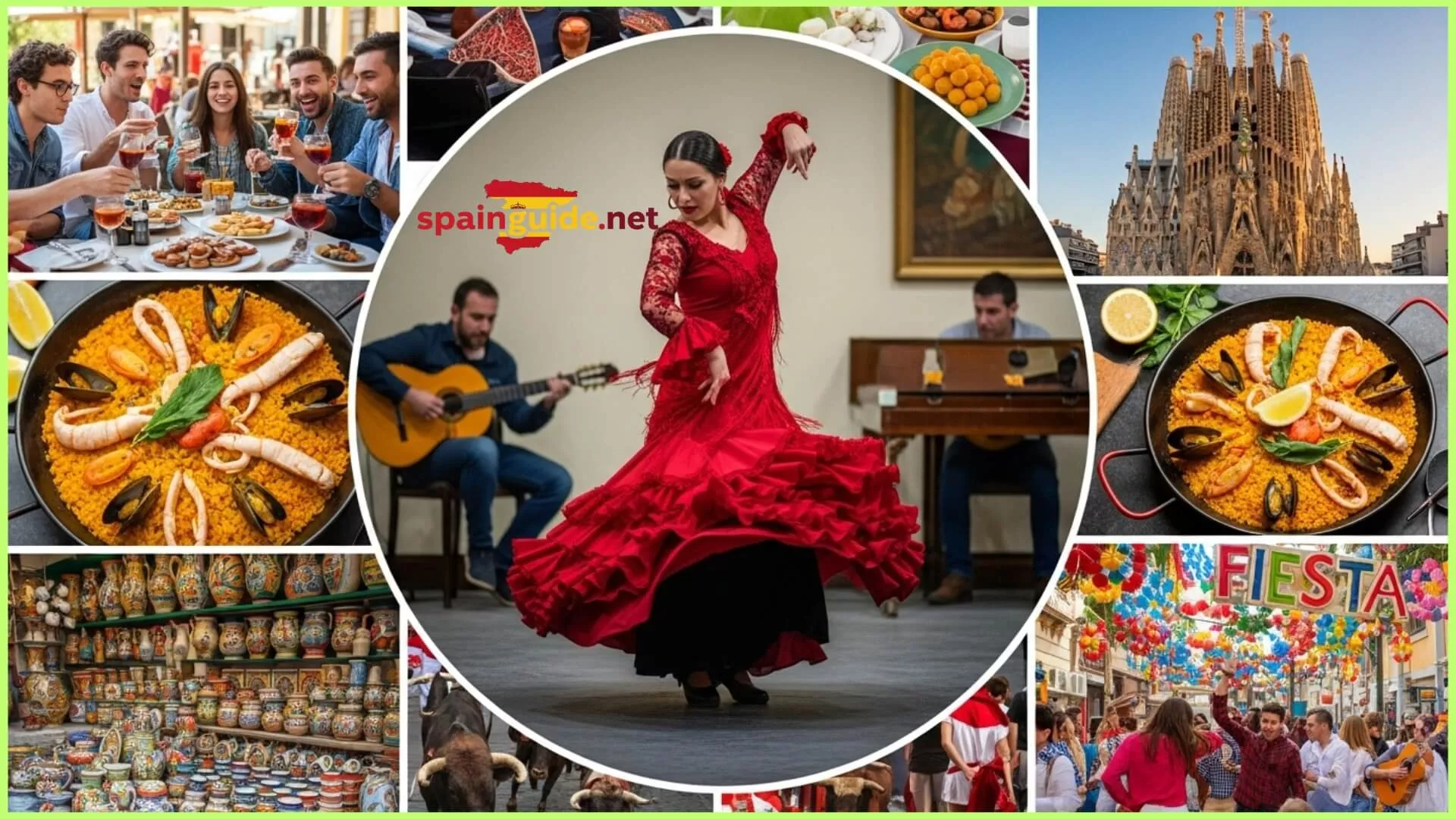
Spain isn’t just a place you visit—it’s a place you feel. From the wild energy of a midnight festival to the quiet intensity of a flamenco guitarist’s hands, this country knows how to celebrate life. Whether you’re chasing parades, tracking down the best jamón, or getting lost in a Goya painting, Spain’s got the kind of cultural punch that sticks with you long after you’ve left.
This guide breaks down the best ways to dive into Spanish culture—where to go, when to show up, and how to actually experience it (not just Instagram it).
Spain’s top cultural activities include hitting up major festivals like Semana Santa, Las Fallas, Feria de Abril, and San Fermín; catching real-deal flamenco in Andalusia; exploring world-class museums in Madrid and Barcelona; hopping between tapas bars and vibrant markets; and wandering UNESCO-heavy old towns like Granada, Seville, and Toledo. Spring’s your best bet for festivals, so book ahead, grab tickets early for the big sights, and throw in a paella class or craft workshop if you want to get your hands dirty.
Experience Spain’s Iconic Festivals
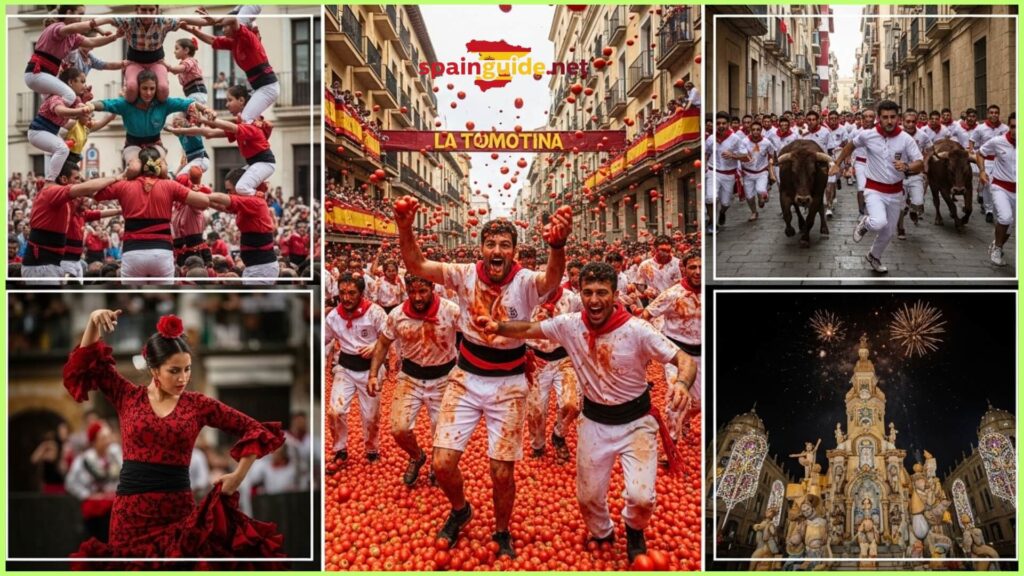
Spanish festivals aren’t background noise—they’re the main event. These aren’t just celebrations; they’re full-throttle cultural experiences where entire cities shut down to party, pray, or light things on fire.
Semana Santa (Holy Week) takes over Seville, Málaga, and Valladolid every March or April with processions that feel like moving art installations—hooded penitents, flickering candles, brass bands playing haunting saetas. It’s solemn but spectacular.
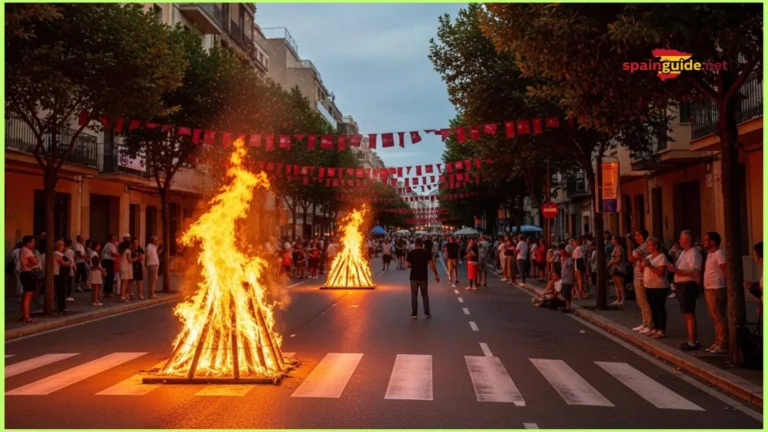
Las Fallas in Valencia (March 15–19) is pure chaos in the best way. Artists spend months building massive satirical sculptures (fallas) just to torch them in a city-wide bonfire called La Cremà. Add fireworks that rattle your ribs and you’ve got one of Europe’s wildest parties.
Feria de Abril turns Seville into a week-long flamenco dreamscape each April. Picture hundreds of striped tents (casetas), locals in traditional dress, horses parading through streets, and everyone sipping rebujito (sherry + lemonade—dangerously refreshing).
San Fermín in Pamplona (July 6–14) is famous for the running of the bulls, but there’s way more happening—daily street parties, concerts, and enough sangria to float a boat. If you skip the bull run, you’re still in for a memorable week.
La Tomatina in Buñol every August is exactly what it sounds like: thousands of people pelting each other with overripe tomatoes in the streets. It’s messy, ridiculous, and weirdly liberating.
Gràcia Festival in Barcelona (mid-August) showcases neighborhood pride with jaw-dropping street decorations—residents compete to create the most creative canopies, plus you get concerts, workshops, and a genuine local vibe.
See a Flamenco Show or Take a Class
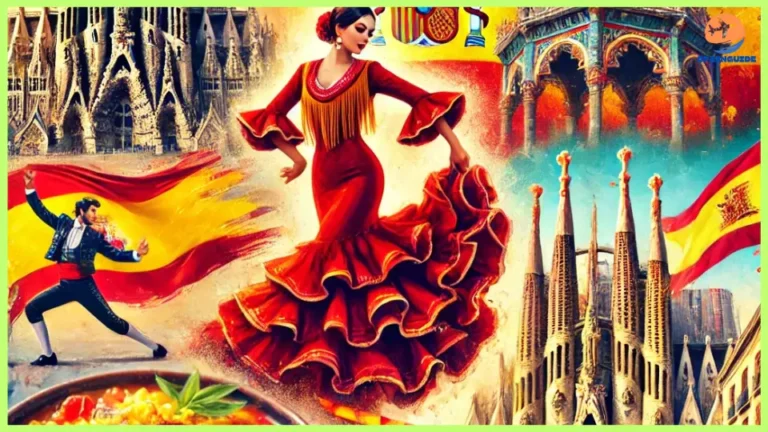
Flamenco isn’t just music and dance—it’s a conversation between guitar, voice, and movement that can go from playful to absolutely devastating in seconds.
Where to go: Seville, Granada, and Jerez are the spiritual homes of flamenco. Madrid’s got excellent tablaos (intimate flamenco venues) too, like Corral de la Morería or Cardamomo, where you’re close enough to see the sweat and hear every footstep.
Try it yourself: Even a single intro class helps you understand the palmas (handclaps), compás (rhythm), and those little finger cymbals (castañuelas). You won’t become a pro, but you’ll watch performances completely differently afterward.
Explore World-Class Museums and Art Districts
Spain’s art scene punches way above its weight, and you don’t need to be an art nerd to appreciate it.
Madrid’s Golden Triangle is museum heaven—the Prado for Velázquez and Goya’s masterpieces, Reina Sofía for Picasso’s Guernica and Dalí’s surrealist weirdness, and the Thyssen for a bit of everything from medieval to modern.
Barcelona offers the Picasso Museum (his early work is wild) and Gaudí’s architecture everywhere you look—honestly, the whole city’s an open-air art gallery.
Regional gems include Málaga’s Picasso and Carmen Thyssen museums, plus Bilbao’s Guggenheim, where the building itself is as famous as what’s inside.
Join Food Rituals: Tapas, Markets, and Cooking
Spanish food culture is social, loud, and meant to be shared. Forget quiet dinners—here, eating’s a group sport.
Tapas culture varies wildly by region. In the Basque Country, pintxos are tiny edible art on toothpicks. In Andalusia, order pescaíto frito (fried fish) and keep the rounds coming. The key is hopping between bars, not camping at one.
Markets to hit: Madrid’s Mercado de San Miguel is touristy but fun, Valencia’s Central Market is a produce paradise, and Barcelona’s Boqueria offers everything from fresh juice to jamón legs that’ll make you reconsider your life choices.
Learn to cook: Paella workshops in Valencia teach you the real deal (not the tourist version), and you’ll find regional cooking classes tied to local festivals all over Spain.
Walk Historic Old Towns and World Heritage Sites
Spain’s got UNESCO sites for days, and the best ones reward slow exploration.
Don’t miss: The Alhambra in Granada (Moorish palace perfection), Seville’s massive cathedral and Giralda tower, Toledo’s medieval maze, and Santiago de Compostela’s pilgrimage-ending cathedral.
Pro tips: Book timed entries weeks ahead for popular sites, go early morning or late afternoon to dodge crowds, and wander the surrounding neighborhoods for context—the streets tell half the story.
Celebrate Local Traditions Month by Month
Spain’s festival calendar is stacked year-round, but here are the highlights by season.
Winter: January brings the Cabalgata de Reyes (Three Kings parade) with floats and candy, while February means Carnival—Cádiz and Tenerife go especially hard.
Spring: San Isidro in Madrid (mid-May) celebrates the city’s patron saint with traditional chotis dancing, picnics in parks, and free concerts.
Summer: Night festivals take over coastal towns, mega music festivals like Primavera Sound pack Barcelona, and religious romerías (pilgrimages) blend faith and fiesta.
Autumn: Soria’s Festival of Souls (late October–November) mixes literature and legend with torchlit parades and theatrical performances—it’s hauntingly beautiful.
Unique and Unusual: Only-in-Spain Experiences
Some Spanish traditions are so specific, you’ll question if they’re real.
Baby jumping (El Colacho) happens during Corpus Christi in Burgos province—men dressed as devils literally jump over babies lying on mattresses in the street. It’s a centuries-old rite that’s equal parts fascinating and “wait, what?”
La Tomatina and castellers (human towers) also qualify—watching people build nine-story human pyramids is absolutely nerve-wracking and amazing.
Hands-On Culture: Workshops and Local Guides
Want to actually make something? Spain’s got you covered.
Crafts and mosaics: Barcelona studios offer workshops where you create Gaudí-inspired trencadís (broken-tile mosaics). You’ll leave with something you made and a new appreciation for the technique.
Neighborhood art walks: Madrid’s street art scene is thriving—local curators lead tours through Lavapiés and Malasaña, revealing hidden galleries and murals you’d never find solo.
Seasonal Planning Tips
Timing matters, especially if you want to avoid the worst crowds and heat.
Book early for March–May and September–October—spring festivals sell out hotels crazy fast.
Dress codes: Some religious processions and churches require covered shoulders. Bring a light scarf if you’re visiting cathedrals or Semana Santa events.
Safety and respect: Don’t mess with bull-run zones unless you know what you’re doing, follow local guidance during fireworks displays, and give processions space—these are sacred traditions for many locals.
Recommended Cities by Theme
Match your interests to the right city and you’ll have a better trip.
Festivals: Valencia (Fallas), Seville (Feria), Pamplona (San Fermín), Cádiz or Tenerife (Carnival)
Flamenco: Seville, Jerez, Granada, Madrid
Art: Madrid, Barcelona, Bilbao, Málaga
Food: San Sebastián, Valencia, Madrid, Córdoba
FAQ
What month has the most festivals?
Spring and early summer—March through July is basically non-stop somewhere in Spain.
Can families enjoy these events?
Absolutely. Parades, markets, and museum programs work great for kids. Just skip the densest fireworks areas and definitely avoid bull-run zones with little ones.